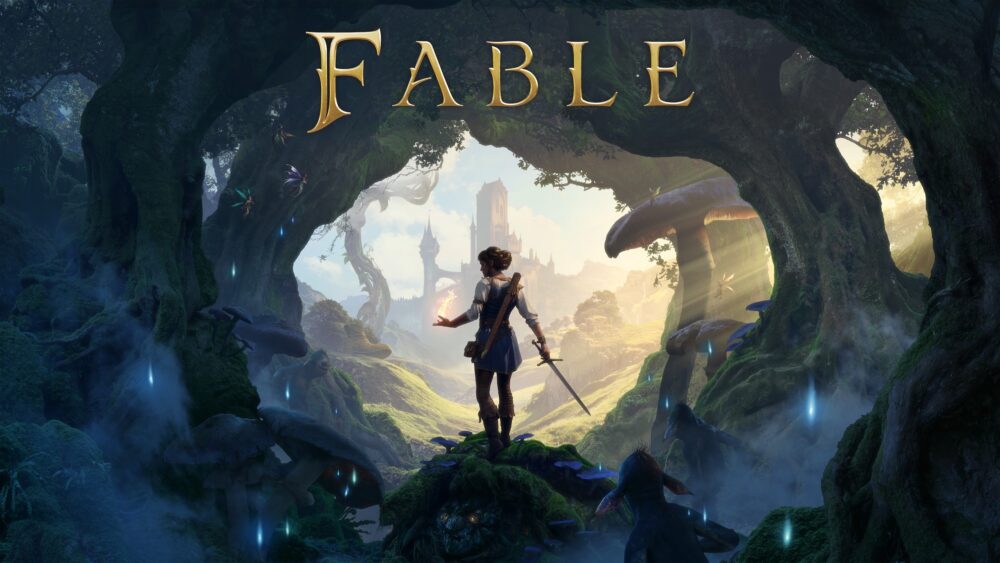
Fable: Build an extraordinary life in Bowerstone, a bisexual haven (maybe!)
In honour of Bisexual+ Awareness Week, let’s discuss how the new Fable might be an exclusively-bisexual haven!
Picture this. You’re riding into a town called Bowerstone. You arrive, dismount your horse and begin to wander through the streets, scouring the various people, places and things as you do.
Wonder strikes you. Maybe this is it, you’ve finally found it, the place where you can begin to scratch those romantic ‘urges.’ Excited and controller in hand, you scan the vaguely attractive populace, unsure about who you should approach or how they would even respond. You’re nervous. But, should you be?
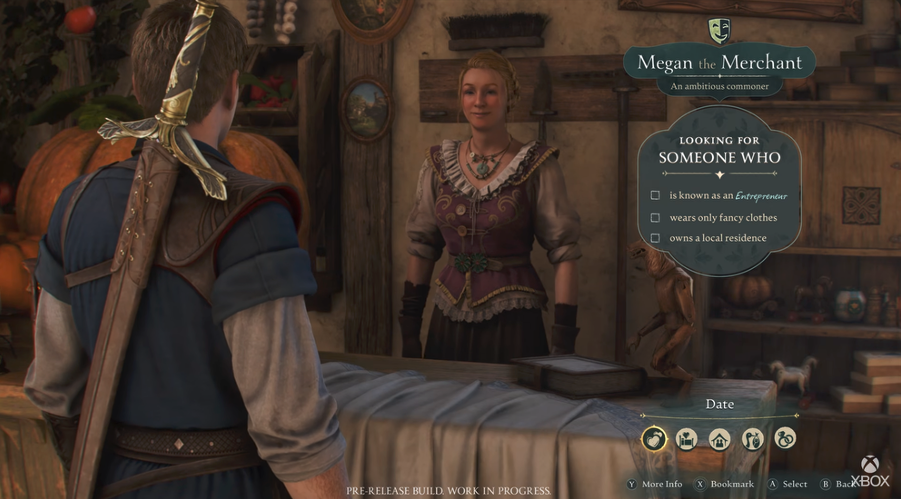
A smile creeps on your face. How could you forget, you chuckle, the answer is of course no! You’re playing the soon-to-be released Fable reboot and Bowerstone is a bisexual’s dream where every adult you lay your pretty little eyes on is fair game. But shoot, Megan the Merchant only dates land-owning entrepreneurs who dress fancy and you’re currently poor as dirt. Guess you better get to work.

Fable is a renowned fantasy life-sim/RPG hybrid game series which, following Playground Game’s announcement in gamescom 2026, is set to return to us in February 2027. Originally released in 2004, the original game met mixed reviews, saying that the developers overpromised and underdelivered on its immersive scope. This even came with an apology from the game’s lead developer Peter Molyneaux, disappointed that the game couldn’t cover “absolutely everything we’ve ever dreamed of.”
Included in the Fable’s gamescom news though was a second hands-off presentation which seemed to indicate that Molyneaux might finally be seeing his dreams realized, albeit by a different development team. The Fable ‘reboot’ looks incredibly detailed, with a wildly expansive scope of actions you can take in the gaming world, from raising a family of your own to getting extensively involved in the economic prosperity of a city.


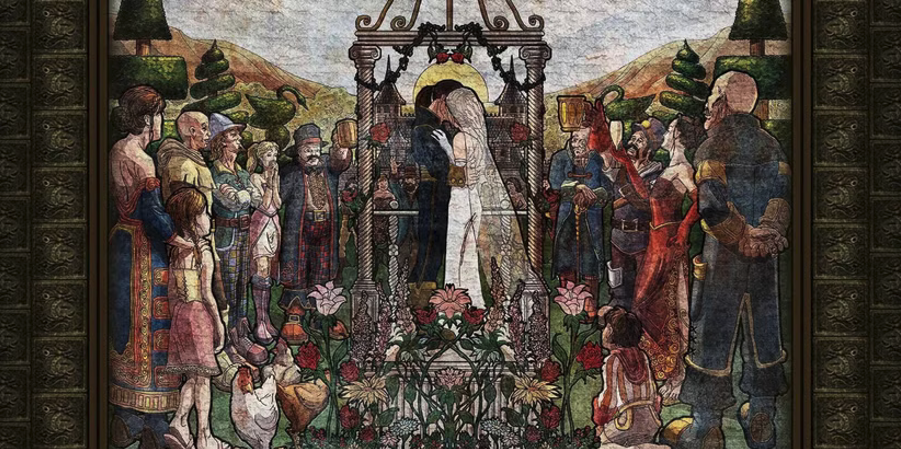
With this, there are a plethora of romanceable options, of which the game series has historically been a trailblazer in providing. The original Fable had NPCs who could be romanced regardless of your character’s gender, and Fable 2 and 3 developed this still further by giving NPC’s their own sexual identities. This meant that, in contrast to other seminal playersexual RPGs like Dragon Age II, the NPCs in the Fable series could push back on what players wanted by expressing their own desires/
Given what we have seen in the preview so far, these features do not appear to be continuing in the series. Speaking to GameSpot in June, associate game developer Craig Littler described how there would be over “over 1,000 handcrafted NPCs in the game, and you can get into a (romantic) relationship with any of them–or all of them.” Comparing this with the initial gameplay demo released on the same day as the interview, we can see that romancing NPCs will involve personality traits and meeting a series of criteria before they become dateable.
As Littler explains about these criteria: “you could get into a relationship with anybody, but not at the same time, because you can’t be all things to all people at the same time. One person might want you to be kind. Another might want you to be a murderer. That’s just how it goes.”
So far, there is no mention of NPCs having the same sexual preferences that were included in Fable 2 and 3, let alone iterating on them. This makes me nervous; while the developers are making noise about the critical mass of options that the new Fable will have for players, such variety might also be a signal that playersexuality will still be alive and well in 2027.
Originating in the 2010s, ‘playersexuality’ developed on forums like Reddit to describe when a game protagonist could romance any and all romanceable characters, and they would only respond in kind. While the leading example of this is the RPG Dragon Age II, the term has developed over time to include others such as Mass Effect, Stardew Valley and Fallout 4. What is particularly egregious in these examples is the inclusion of these options along with the utter lack of queer in-game representation anywhere else.
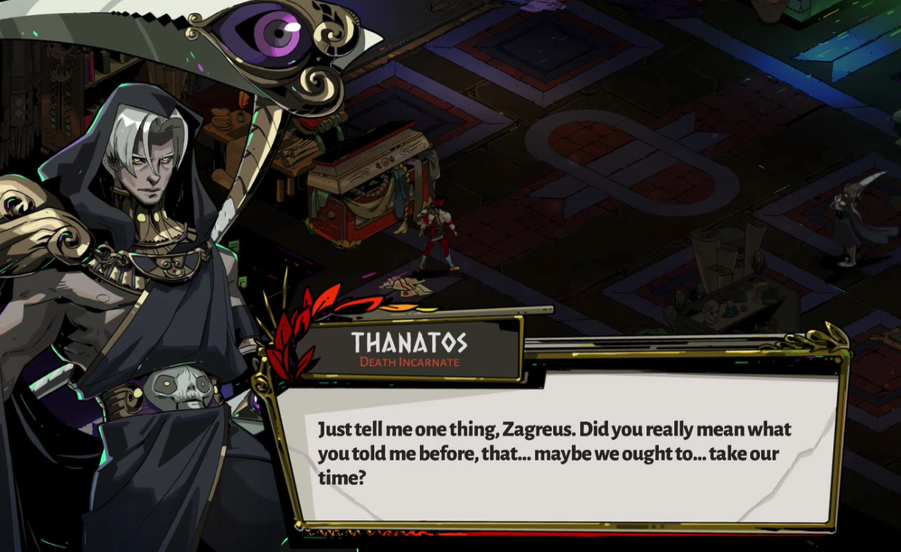
Ironically, the core part of this poor worldbuilding are the bisexuals. When used haphazardly without any real thought or consideration, playersexuality frames bisexual desire as a game mechanic which literally presents sexual preference as a choice, and indicates a wider issue that there is “[n]o evidence of self-identification, relationship history, or queerness in the game world.” This stands in sharp contrast to games such as Hades and the Life is Strange series, which not only have bisexual characters, but make them feel fully realised in the world they exist in.
We are still a little while off from the actual release of Fable so let’s see what happens. I could be wrong. With what looks to be Disney-fied aesthetics and an incredibly strong emphasis on neoliberal joy, who is to say that Fable couldn’t replace Baldur’s Gate 3 as gaming’s new queer utopia.
I’ve decided that for now though I’m going to remain pessimistic, seeing the game’s excessive inclusion of choice as reason to potentially worry. While developers are singing the praises of having so many options for players, they can also signal a lack of specificity and narrative intention. It’s ironic that the more choice we seem to be given, the less queer things seem to feel.
About The Author