
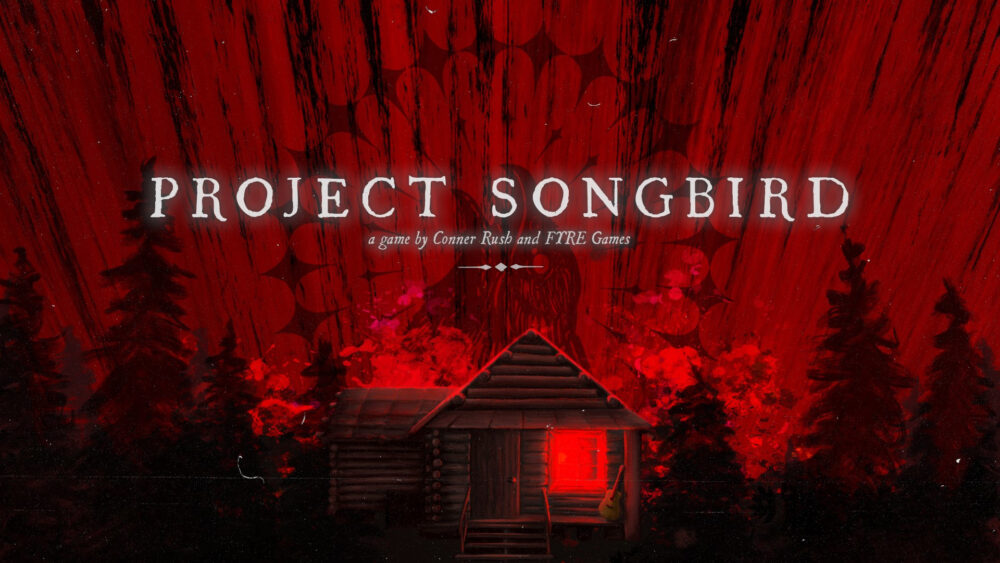
Project Songbird: A vibrant yet dark, story-rich psychological horror
Project Songbird is a first-person psychological horror where exploration and story come first. You play as Dakota, a genderqueer musician trying to keep going after trauma, and the game uses that creative struggle as the emotional motivation to endure.
The intro immediately nails the mood: a weird dream, a voicemail from Rob (a friend, but possible stakeholder in Dakota’s career), and visuals that feel cinematic from frame one. It eases you into Dakota’s life. A cup of coffee, a messy apartment, the dread of returning Rob’s phone call, and then gently pushing you toward a solo retreat in the Appalachian woods.
The opening scene does a great job of dropping you into the story without holding your hand. Dakota wakes from a recurring nightmare and finds a voicemail that adds pressure rather than clarity. Before giving you an objective, the game has Dakota advise the player to get comfortable, small moments like that make the character feel lived-in.
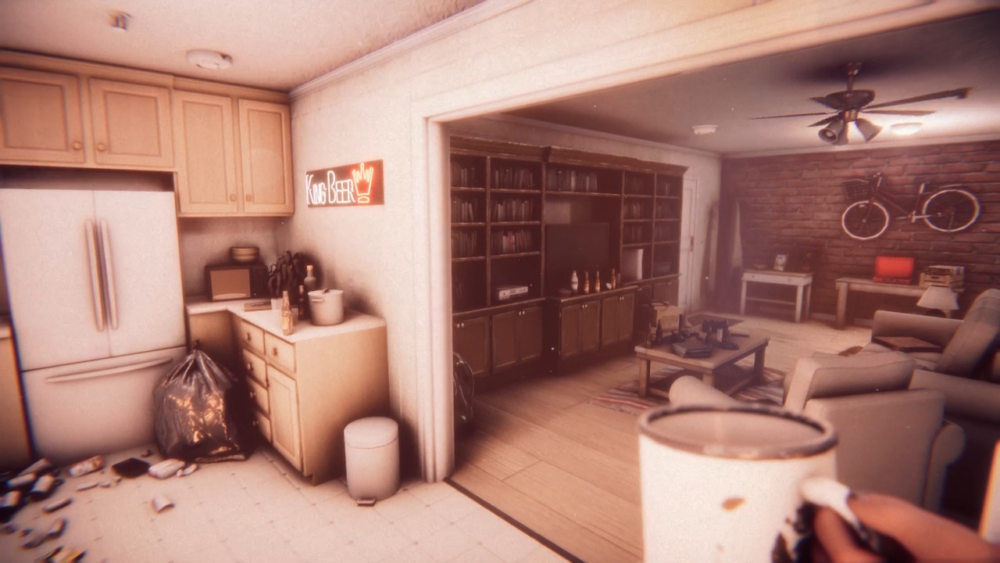
There are lots of interact-able objects. Similar to Resident Evil-style environmental storytelling where clicking a photo or trinket unlocks a voice line or journal note that deepens the narrative. It’s the kind of detail work that rewards poking around and pays off narratively later.

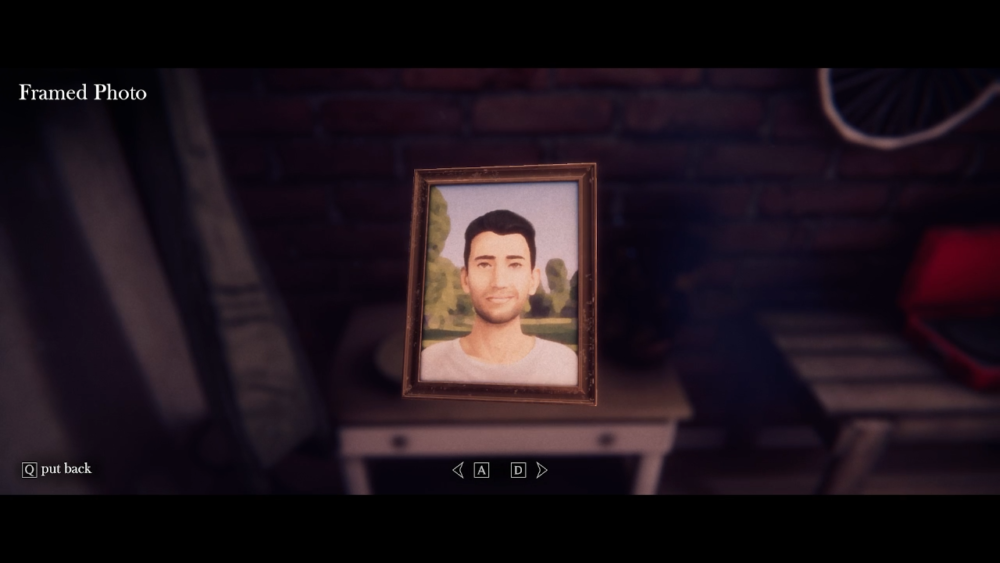
The pace starts slow, then deepens once you reach the cabin, and something that really stood out to me was that the journal updates with time skips and entries, helping stitch the narrative together and pointing to puzzle solutions. It’s very much a puzzle-forward game: notes, journal clues, and scene details give you the pieces you need.
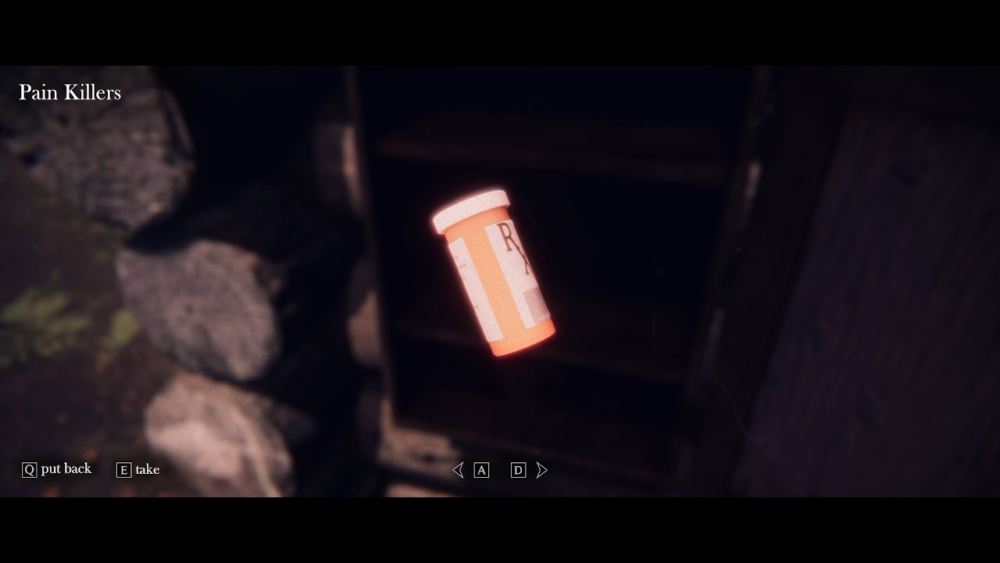
Exploration is genuinely rewarding. Early on you’ll find bullets, scrap metal, and healing items – resources that matter later. Visual and audio cues change as you progress, giving a clear sense when you’re on the right track. That “search and discover” rhythm ties neatly into Dakota’s psychological arc: uncovering memory and meaning as much as solving puzzles.



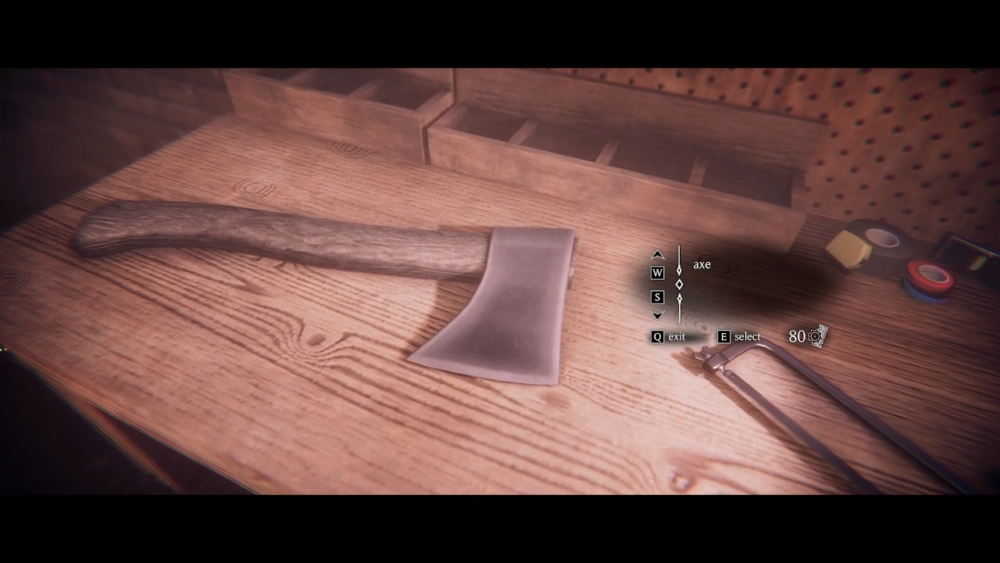
Combat is present but measured. You start with an axe, and scrap metal becomes a meaningful resource used to repair or upgrade weapons. Enemies aren’t ridiculous and sometimes it’s better to avoid a fight because breaking your axe can make finishing a puzzle stressful. The result is a tension that feels earned rather than inflated.
An early upgrade system gives options to boost damage, durability, or repair tools. It’s simple but effective, and it makes the decision to use scrap feel important. The monsters aren’t mechanically deep, but the “choose your battles” design creates meaningful stakes that complement the story rather than competing with it.
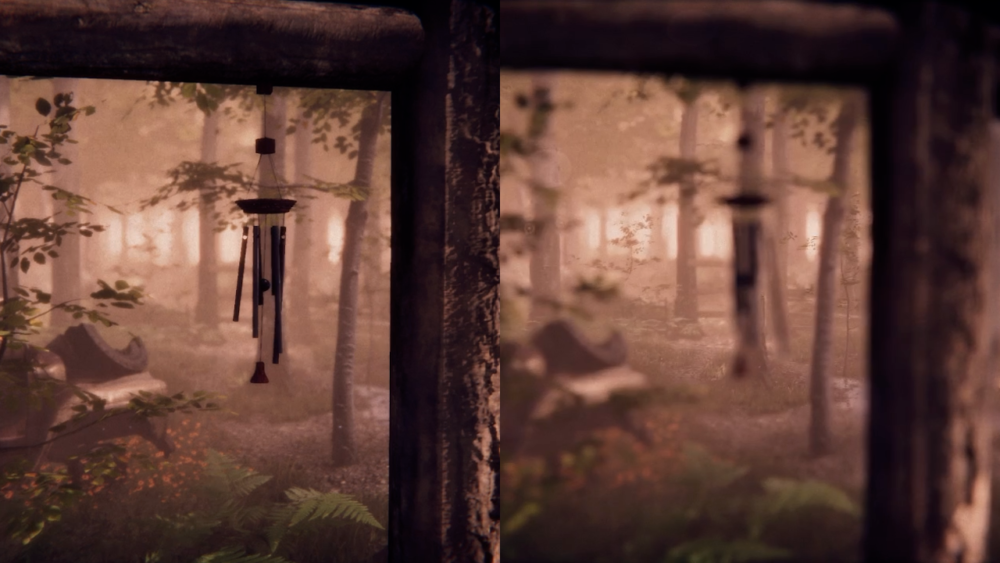
Visually, the game is stunning. Depth of field, subtle camera movement, and small animation details make exploration cinematic. The sound design is where it lands hardest: quiet ambient textures and well-placed musical swells that heighten tension without overpowering the moment. Because Dakota is a musician, records are part of the world, and you can play licensed tracks on turntables, including one from the developer’s band! That adds a personal, creative touch that I really loved.

The UI is clean and not overwhelming. You can tweak camera smoothing, field of view, headbob, and sensitivity, which is nice for motion-sensitive players. Mouse/keyboard feels solid, and controller support is seamless if you prefer it. I also really appreciated the content warning and it was noted and appreciated by the community as well.
There was one notable bug during my run: while getting boxed into a corner during a fight, blocking caused the character to clip under a desk and required reloading the last save. The dev did acknowledge that they were aware of the issue. There’s also a slight stutter when zoning into new areas, but nothing that broke immersion long-term.
This is a story-first experience. After seeing a satisfying ending, you might not replay for mechanics alone, but alternate endings and small missed details give reasons to return. It’s ideal for streamers or group playthroughs where viewers can weigh in, and fans of narrative-heavy titles like Alan Wake, What Remains of Edith Finch, or story-driven Resident Evil entries will likely connect with it. At $14.99, it’s absolutely worth the experience, and the quality is incredible.
Project Songbird is a beautifully made, emotionally resonant indie that blends music, cinematic framing, and slow-burn horror into something affecting. The writing, atmosphere, and personal touches lift it above many peers.
If you’re unsure, try the free demo. Put on headphones, settle in, and let Dakota’s story do the work.
Rating: 8/10
About The Author