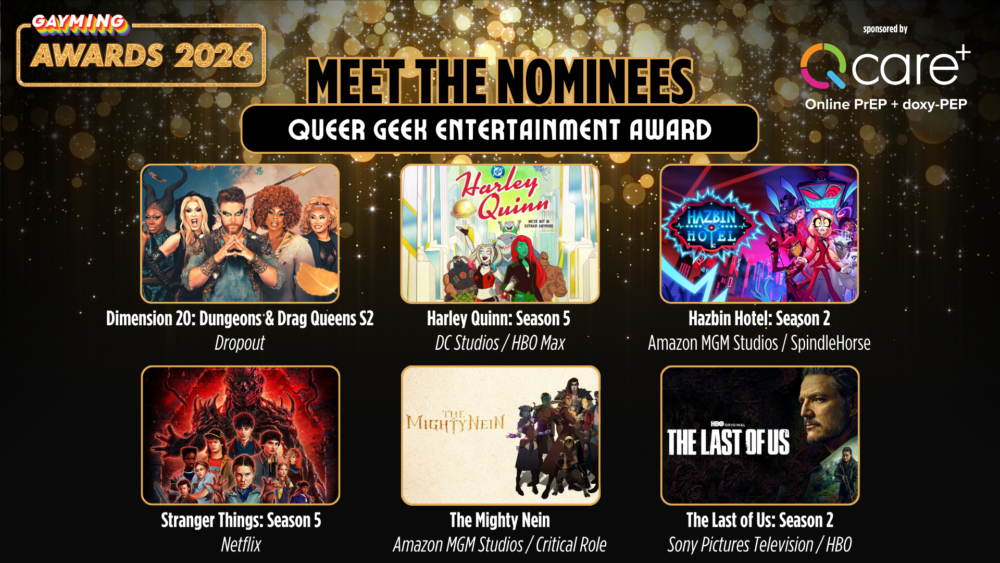
Gayming Awards Meet the Nominees: Queer Geek Entertainment of the Year Award
While queer people dominated in countless industries throughout 2025, nowhere was this more evident than in queer geek enertainment. Whether it be animated comedies or liveplay webseries, queer creators spent those twelve months offering audiences everywhere stories they could see themselves in. Every one of these creators deserves applause for all they contributed to the entertainment landscape — and we’re celebrating the best of them with the Queer Geek Entertainment of the Year Award, sponsored by Q Care Plus.
At the 2026 Gayming Awards, this title goes to the piece of queer geek media that not only entertained audiences but offered representation during a time when so many people needed it most. Let’s take a look at all of this year’s nominees now and try to determine who’ll be taking home this year’s Queer Geek Entertainment of the Year Award!
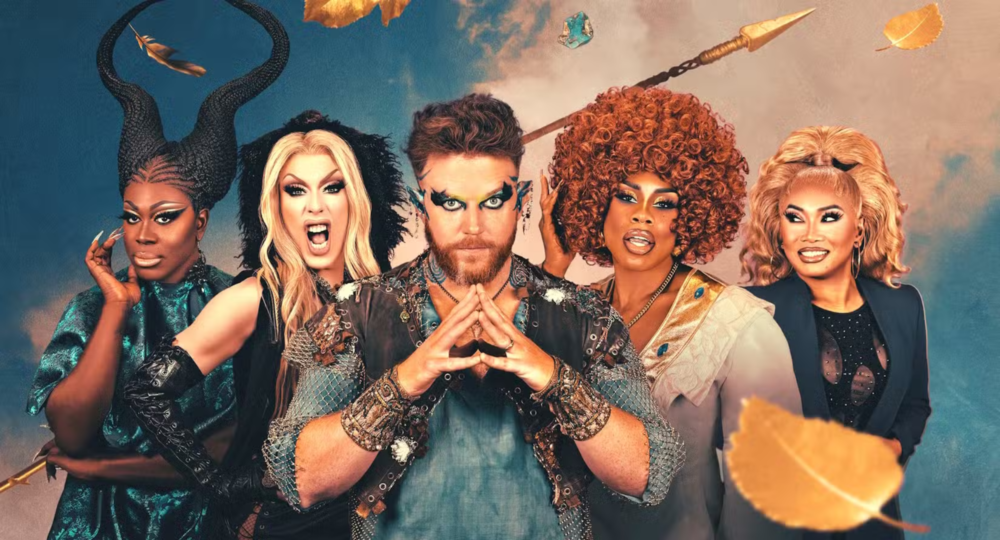
Dimension 20: Dungeons & Drag Queens: Season 2
The digital liveplay series Dimension 20 has been applauded for its constant inclusion of queer performers and LGBTQ+ storylines. This program has played a huge part in making the tabletop roleplaying space more accepting for all, and nowhere is that advocacy more evident than in the recent Dungeons & Drag Queens: Season 2.
Following up on its acclaimed initial installment, Dungeons & Drag Queens: Season 2 once again features famous drag queens Bob the Drag Queen, Monét X Change, Jujubee, and Alaska Thunderfuck play DND 5E with Dungeon Master Brennan Lee Mulligan. The series effortlessly combines geeky goodness and mainstream queer culture, telling its story of adventures facing off against evil through hilarious queer commentary and references that any RuPaul’s Drag Race fan will enjoy. It’s an amazing spotlight on some of the best LGBTQ+ performers today, and it’s an important reminder that our communities always have been — and always will be — a core part of the TTRPG space.
Harley Quinn: Season 5
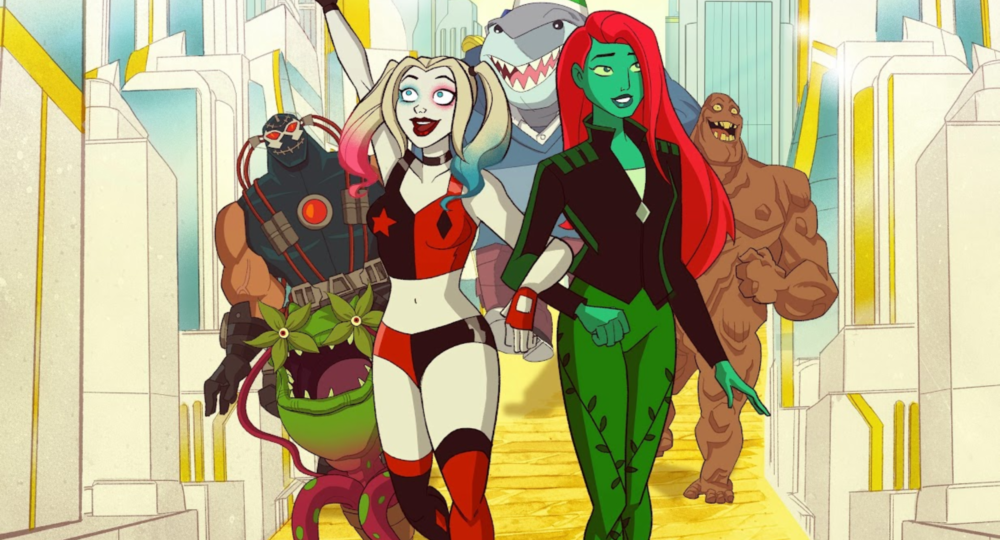
When it comes to animated superhero shows, no show features more sapphic love — and disgustingly funny violence — than Harley Quinn.
The series has always worked to authentically portray the queer relationship at its center, and season 5 was no different; it saw Harley (Kaley Cuoco) and Poison Ivy (Lake Bell) move to Metropolis and struggle balancing their anti-heroic exploits and long-term relationship.
This coupling is constantly heartwarming, with Harley Quinn pairing its nonstop excitement with surprisingly authentic moments of queer romance that will resonate with many members of the audience. It shows the depth that superhero media can contain as well as a genuine portrayal of what it means to be in a modern sapphic relationship. This is why Harley Quinn continues to be one of the best examples of queer superhero media, and it’s why so many people value the show as a source of queer representation today.
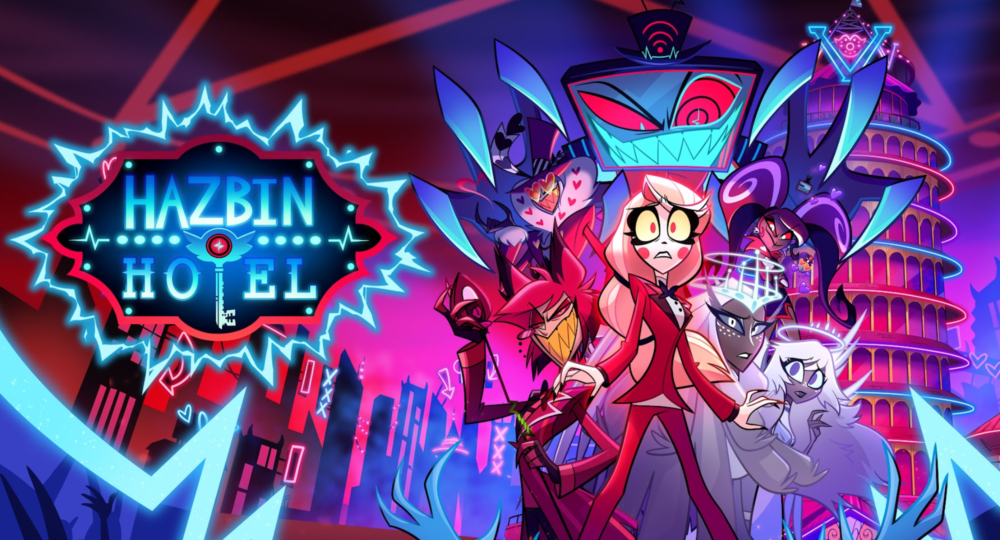
Hazbin Hotel: Season 2
Few franchises have taken over the internet like Hazbin Hotel, with Vivziepop’s series about the princess of Hell trying to rehabilitate sinners standing as one of Amazon Prime’s most popular shows ever. It’s achieved a level of popularity that many didn’t think possible for an animated adult program — a fact that is made even better by just how amazing queer its entire story is.
Every member of the main cast is a member of the queer community, with our protagonist Charlie (Erika Henningsen) being in a sapphic relationship with Vaggie (Stephanie Beatriz) and surrounding herself with virtually every other letter of the LGBTQ+. Beyond superferical representation, though, it’s how Hazbin Hotel explores themes of identity and redemption that makes it such a queer fan-favorite. Its driving narrative revolves around inspiring oppressed people to find power within their most authentic selves. The show’s second season continued to explore this theme while imbuing its story with the horror of trying to fit into others’ perceptions of you — and what you gain by choosing to be exactly who you want to be.
Stranger Things: Season 5
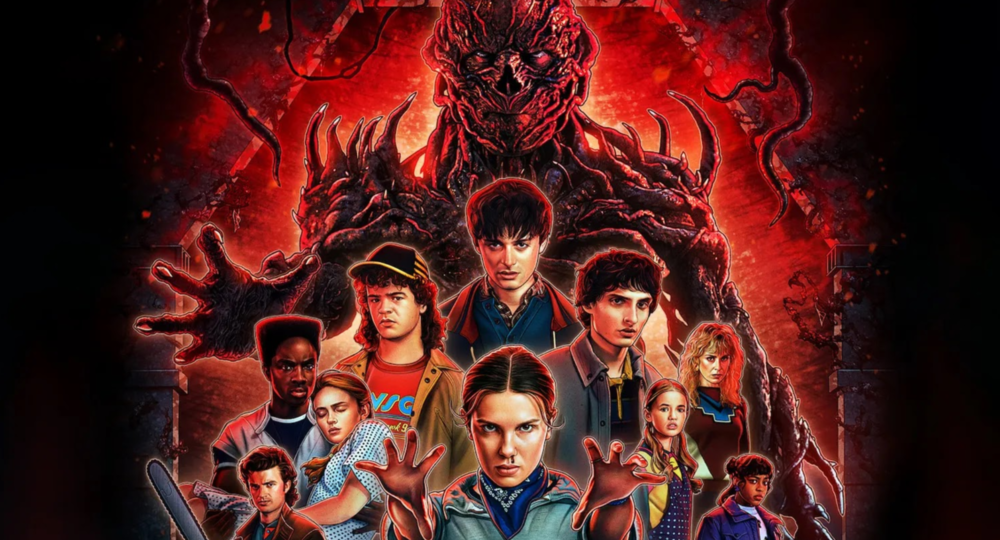
It’s rare to find a series with as much of a cultural impact as Stranger Things; since its premiere in 2016, this story of kids facing otherworldly monsters in their small town has taken the world by storm. Millions of viewers were excited to watch the program’s fifth and final season earlier this year, an installment that explored themes of small-town queerness in a way that so many people needed to see.
Through the characters of Will Byers (Noah Schnapp) and Robin Buckley (Maya Hawke), Stranger Things showed the particular hardship of growing up queer in a small town. The last season saw Will — whose gay identity had been teased since season three — finally come out, with this storyline coinciding with the teen attaining jaw-dropping power as a metaphor for the strength that comes with self-acceptance. And while she may not be at the center of the series’ topsy-turvey chaos, Robin showed not only the intersectional struggles of being a young queer woman, but the ultimate joy of finding friends who accept you completely.
Stranger Things season five was a monumental moment for nerds everywhere, and for LGBTQ+ geeks especially, it created a complex exploration of how to find your truest self against all odds.
The Mighty Nein
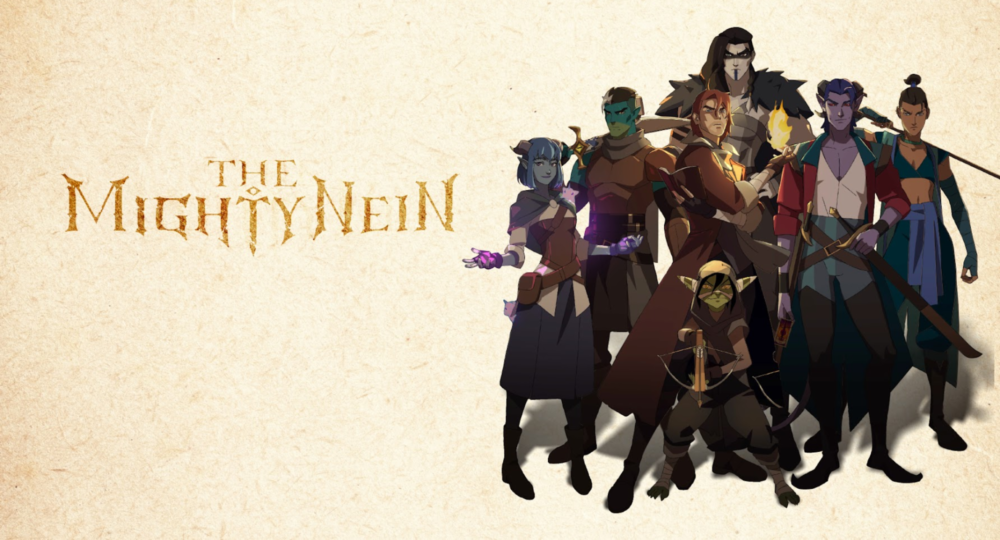
For more than a decade now, Critical Role has been astounding TTRPG fans with its exciting campaigns filled with LGBTQ+ themes. It’s a part of this historic webseries that was thankfully carried over into its animated adaptation, with its latest season, The Mighty Nein, proving to be the show’s queerest one yet!
Almost every member of The Mighty Nein is part of the LGBTQ+ community, with the story taking special care in portraying these complex individuals and how their identities shaped their (often very cynical) world view. It’s through them that The Mighty Nein’s central theme comes through: found family. Because, above all else, what this season truly shows is the absolute joy in finding your queer community. Within its intense fight scenes and jaw-dropping plot twists it offers viewers a reminder that there is always a space for us to call home. And, that if a group as hilariously dysfunctional as this can find power in their LGBTQ+ identities, all of us can too.
The Last of Us: Season 2
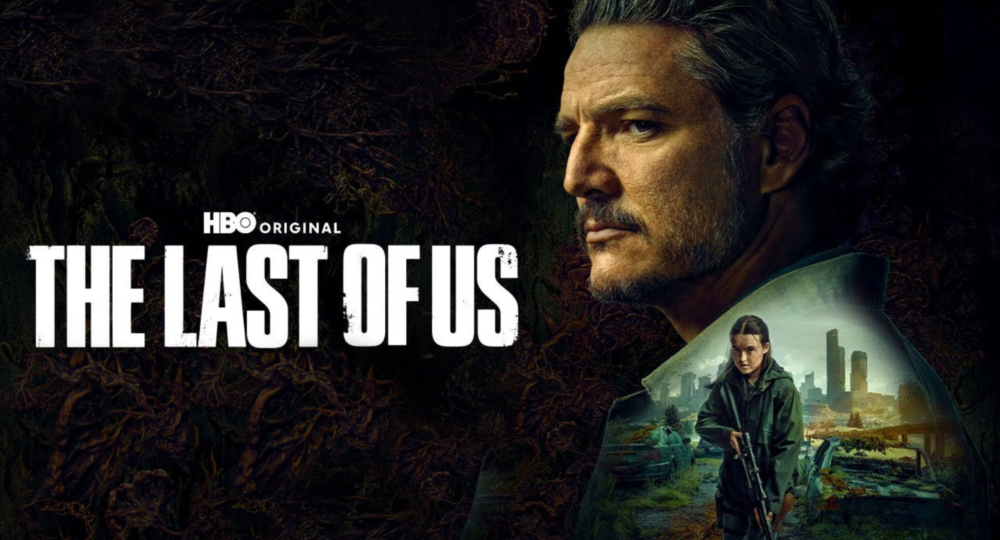
Adapted from the popular 2020 game, The Last of Us’ second season continued to awe viewers with its story of people trying to survive horrific monsters — and those who are willing to do whatever it takes to survive. There were many parts of this season that viewers absolutely loved, with one of the biggest being its burgeoning love story between Ellie (Bella Ramsey) and Dina (Isabela Merced).
In a show about terrifying roving mushroom zombies, The Last of Us season 2 still found time to realistically portray young queerness. So many audience members saw themselves in Ellie’s awkward feelings for Dina and her struggles with trying to understand the intensity of these new emotions. Both their romance and their literal lives were on the line constantly, but this couple’s ability to fight off every danger spoke to the resilience of the queer community everywhere…even during a (kind-of) zombie apocalypse.
It’s elements like this that makes The Last of Us one of the most popular today, giving young LGBTQ+ people everywhere the representation they need and making sure that queerness continues to be a part of mainstream entertainment.

About The Author