
Resident Evil’s Messy History with LGBTQ+ Representation
Few video games have had the long-lasting success of Resident Evil. Spawning from an initial spin on your typical zombie horror, for more than thirty years this franchise has astounded players with complex stories and gut-wrenching gameplay. It’s constantly pushing the boundaries for what digitized terror can look like, with its stories of disgusting medical malpractice to sickening family drama never failing to disturb players. With its latest iteration, Resident Evil Requiem, proving to be another hit, fans are thrilled knowing that there’ll be many more years of RE tackling every topic imaginable… unless, of course, those topics happen to be LGBTQ+
Because while this franchise has spawned dozens of stories filled with intriguing characters and themes, there’s a notable absence of any real LGBTQ+ representation across its many projects. That’s not to say there’s absolutely none, as it does feature some queer characters (who can all be counted on one hand). But even more than failing to fill its worlds with marginalized identities, where the series really falters is how it tries to earn some sense of inclusivity while never really exploring these few characters’ identities.
Resident Evil is a trailblazing game series that has gained well-deserved acclaim for how it still innovates gaming today. But when it comes to actually featuring LGBTQ+ characters and granting players the representation they need, these games need to learn a very valuable lesson: show, don’t tell.

While Resident Evil only has three confirmed queer characters across its more than 20 games, that’s not to say the franchise doesn’t have any LGBTQ+ fans. In fact, quite the opposite; recent years have seen queer members of RE’s fanbase become more vocal with their thoughts about who in the games’ expansive lineup may not be straight. But while they have been making do with theories and suspicions, it can’t be understated how excited this group was in 2014 when a character was finally confirmed as part of their community. They were thrilled to finally see some true representation — and then were deeply confused at what that inclusivity looked like.

Because while Crispin Jettingham of Resident Evil: Operation Racoon City may be the franchise’s first gay character, you wouldn’t know that from playing the game. Aside from a very subliminal reference to ‘Don’t Ask, Don’t Tell,’ this story never actually cements its team leader as a member of the LGBTQ+ community. It wasn’t until the game’s creator clarified his sexuality in an interview months later that fans learned Crispin wasn’t one of the many heterosexual commandos in this franchise.
This left the success of his representation feeling hollow, with fans confused about how such a monumental moment of progress could be relegated to an offhand comment. Despite this, they still recognized Jettingham for the landmark he was, a first step that would hopefully cascade into much more representation going forward.



And then, the same thing happened again. Twice.
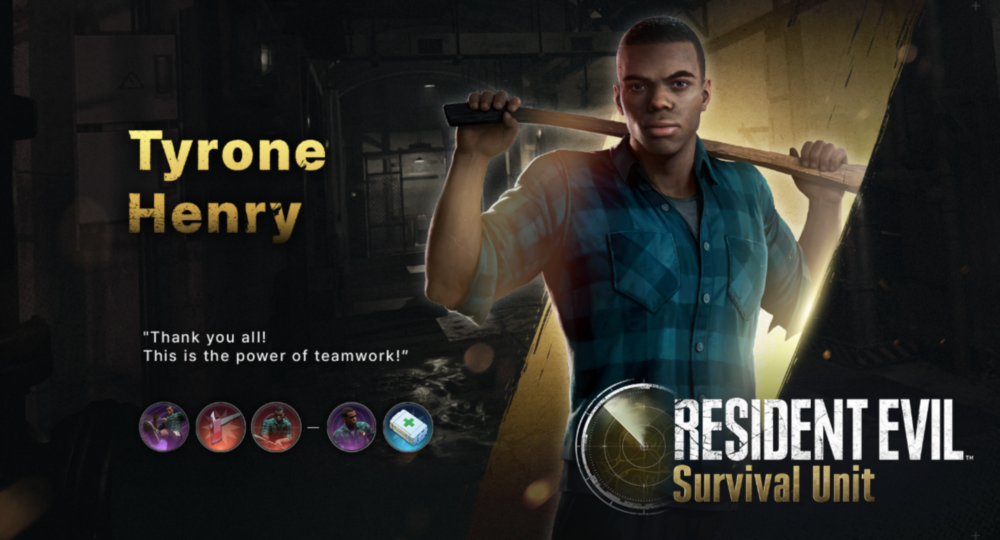
It’s understandable that Resident Evil: REsistance didn’t broadcast Tyrone Henry’s identity in-game; as an asymmetrical co-op, there wasn’t enough narrative to properly highlight the firefighter’s gay identity. It’s excusable that his sexuality was only revealed after the game’s release in a twitter thread from the creator — but Lady Dimitrescu!?
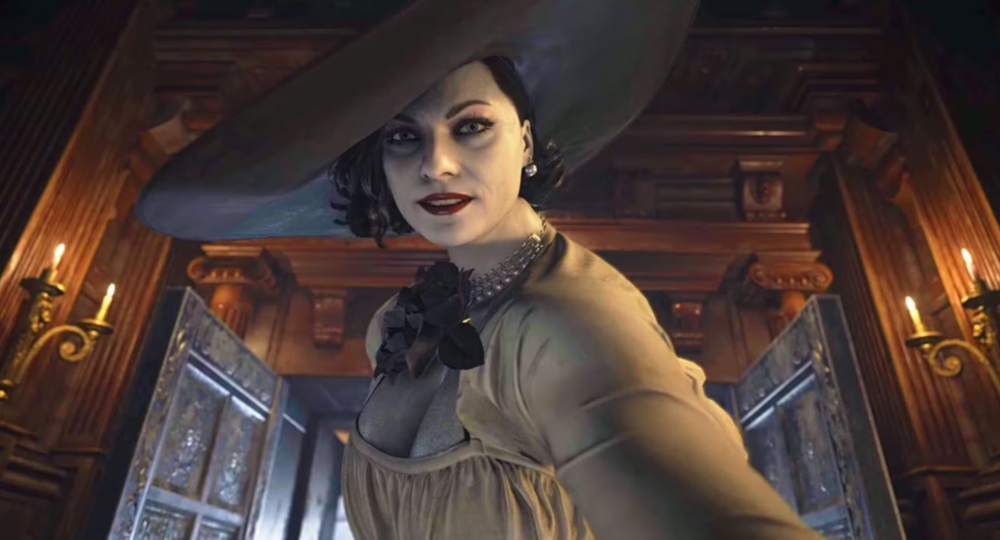
Arguably the star of Resident Evil: Village, this towering antagonist had an ample amount of screentime in-game, meaning that the narrative had every chance to not only certify her identity but use it to advise her personality and actions. This makes it not only disappointing, but inexcusable that we only learned about her lesbian status from the scripwriter in a single post online, with the franchise again reducing one of its few examples of queerness to an obscure internet thread.

This isn’t to say that LGBTQ+ characters’ stories should only revolve around their sexuality. Critics have long discussed how toxic this practice is, often turning these people into caricatures rather than nuanced examples of diverse storytelling. But that doesn’t mean their identity should be ignored altogether. Especially in a series like Resident Evil that is constantly digging into themes of love and loss, the presence of queer characters could add yet another intriguing layer to any one of the franchise’s many complex stories.
These games appear determined to not actually discuss characters’ sexualities in-game, so why make them queer at all? Unfortunately, Resident Evil has come under fire for performing a trend that people have begun calling out in recent years: retroactive tokenism.
Epitomized by deeply unrepresentative projects like Harry Potter, retroactive tokenism is when a creator informs audiences of a character’s diversity only after the project has been concluded. People have rightfully criticized this practice; too often, it is utilized by creators whose ensembles are almost entirely cisgender, straight, and white. By saying afterward that their stories were diverse in a way that was never addressed within the text, creators tokenize their characters in a way that not only disrespects their identity, but the many fans who would have actually benefited from seeing said identity within the project.
It creates a shallow instance of representation, a ‘woke’ box to check rather than an actual attempt to explore how having a marginalized identity would impact a person’s actions. It’s a serious issue that has plagued the media for decades, and it’s one that Resident Evil is currently struggling with.
Yet that’s not to say the series can’t improve; the fact that these characters exist at all means that there are clearly attempts to increase these games’ diversity. But first, the it must recognize that it takes more than simply labelling someone as queer to create a truly inclusive story. You don’t have to make a person’s entire arc revolve around their sexuality, but you do have to be willing to explore how their identity would inform the ways they react to these premise’s wild situations.
It’s not until they do that — and stop leaving LGBTQ+ representation to random comments online — that Resident Evil can actually recognize and show appreciation for the queer fans who’ve helped this franchise thrive. Until then, and with the unfortunate history it already has, these games will be just another example of a project trying to appear inclusive without actually understanding what that concept means.
About The Author