
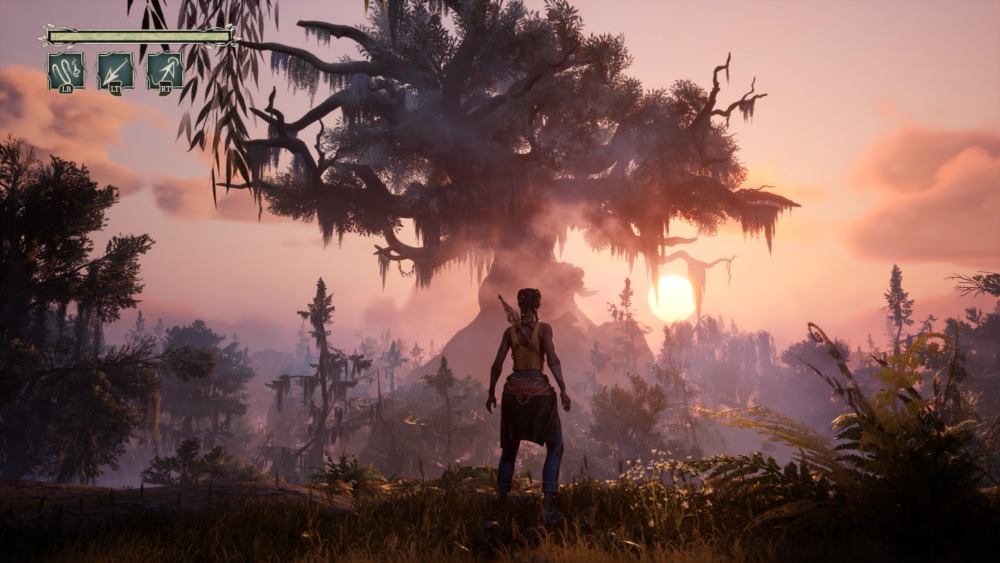
A reflection on South of Midnight and the importance of Black representation on Juneteenth
Today is Juneteenth, and it feels right to speak on South of Midnight’s impact and representation of Black American Southern culture in the midst of Compulsion Games potentially being shut down.
Eurocentric and Asian-based cultures have served as the backdrop to many stories told through video games. South of Midnight explores many aspects of Southern Black American culture, folklore, history, resilience, and love, an area of culture we often do not see explored in video games. Hazel embarks on a journey to rescue her mother, who’s been swept away by a storm, while along the way awakening her abilities as a weaver and healing many creatures that roam the swampy lands.
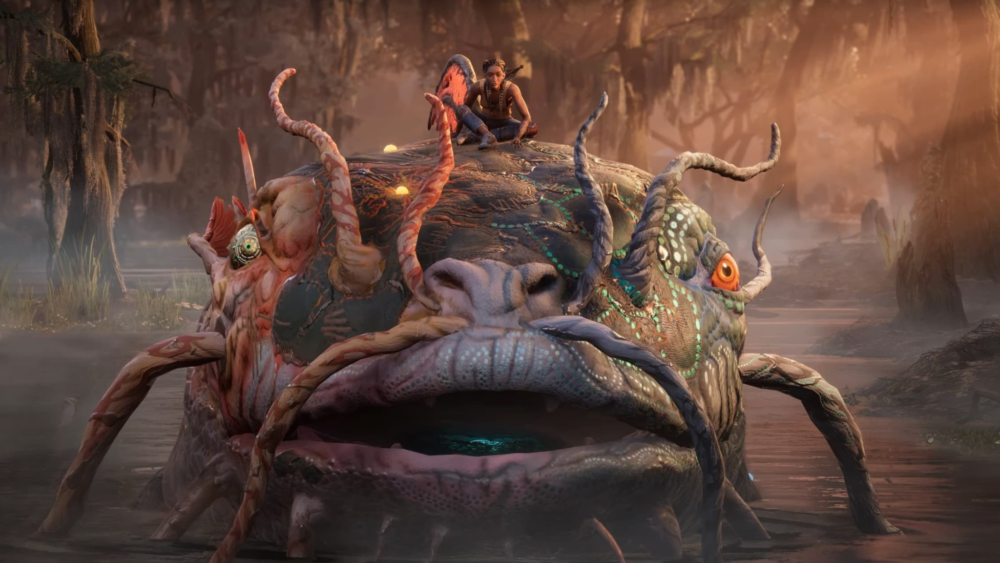
Immediately, when beginning South of Midnight, the setting of Hazel and her mother’s home feels like the homes many Black American kids grew up in. Art on the walls that resembles the work of Annie Lee, posters of Black American icons like Florence Griffith Joyner, and accomplishments displayed all over. During Hazel’s whimsical journey, she encounters an old but wise giant catfish that serves as a guide of sorts through each challenge faced along the journey.
As a weaver, it is Hazel’s role to mend broken bonds, spirits, and battle haints. The fighting mechanics are not the best, but the impact of each challenge Hazel overcomes leaves a lasting impact and understanding for each creature. Each mythical creature in South of Midnight has a story that will pull at the emotional heartstrings of players, accompanied by an incredible soundtrack composed by Olivier Deriviere.
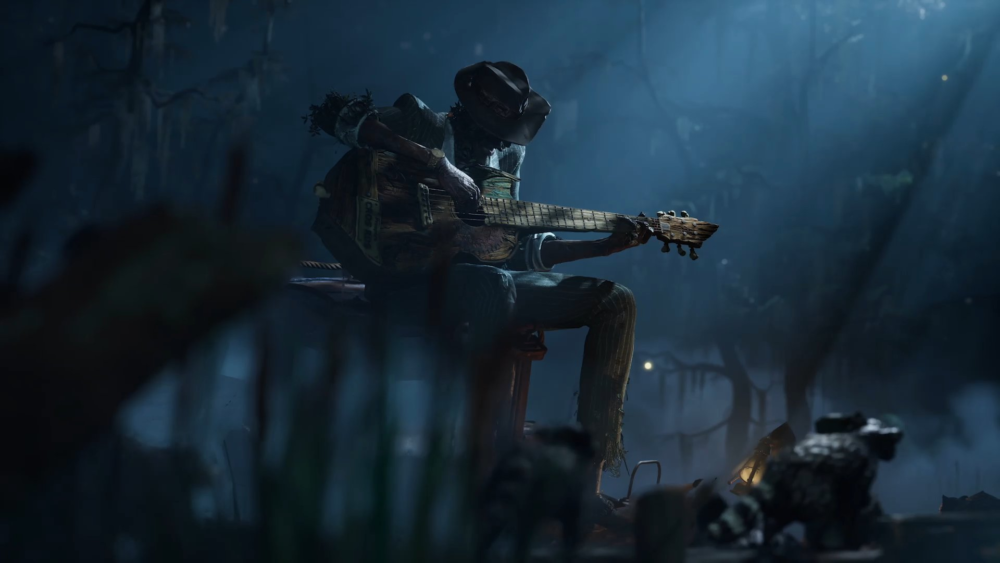
Although brief, there was a moment in the game where Hazel entered an area of slave cabins, where she mentioned the area made her uneasy. Having a game set in the Deep South, even in modern times, it is rather hard to ignore the infrastructural remains of slavery, such as plantations and enslaved homes/quarters that are still standing to this day.
The area could be explored, and treasures and a weaver ability can be unlocked, but it is not an area that can be destroyed or permanently altered by gamers. Many enslaved people died inside slave homes/quarters during slavery and endured many other horrors for hundreds of years, so having an area like that in a video game should be treated with the utmost care, which Compulsion Games executed thoughtfully.



The impact of that area in the game, while short, added to the intentional depth of Hazel’s Black American heritage, highlighted the shadow slavery casts on American history, and, while not said, showed just how much her ancestors went through to get to freedom, guide others to freedom, and heal the environment around them.
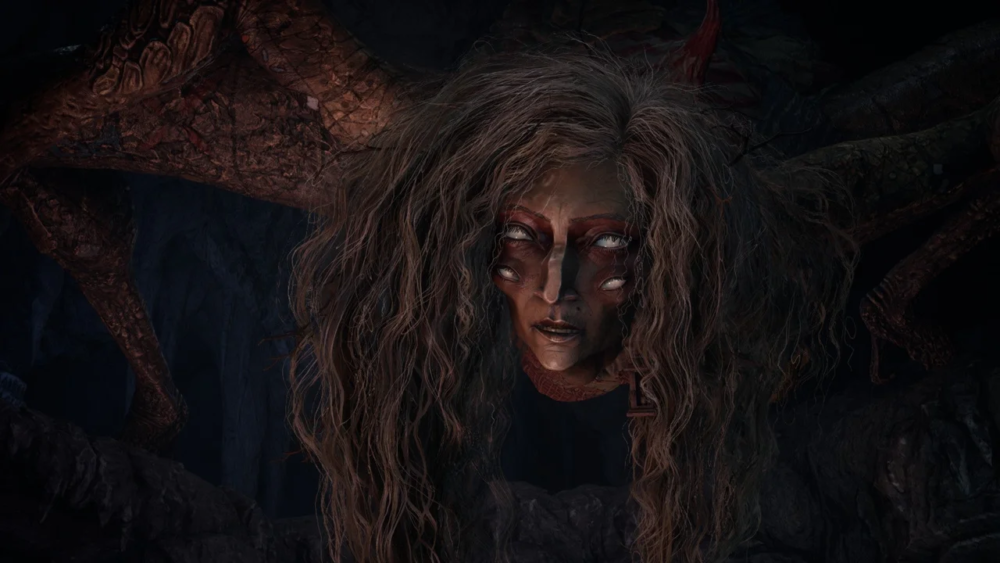
Juneteenth, also known as ‘Jubilee Day’, celebrates the emancipation of enslaved Black Americans in 1865 when Union troops arrived in Galveston, Texas, to announce that all enslaved people were free. It is a day of celebration, joy, and remembrance.
Through some of the darkest and cruelest times in American history to Black enslaved peoples, Black culture, joy, resistance, and love were resilient, and that resilience shows in our spirits today. At its core, South of Midnight is a story of endurance, heritage, generational familial love, and protection.

During its release last April, it was met with an onslaught of racism, prejudice, and ignorance. Nevertheless, its message and impact shone through, ultimately taking home multiple awards, such as the prestigious Peabody Award in the Immersive & Interactive category, Game of the Year at the 2026 Gayming Awards, a BAFTA Game Award for Best New Intellectual Property, and Games for Impact at the 2025 Game Awards, just to name a few.
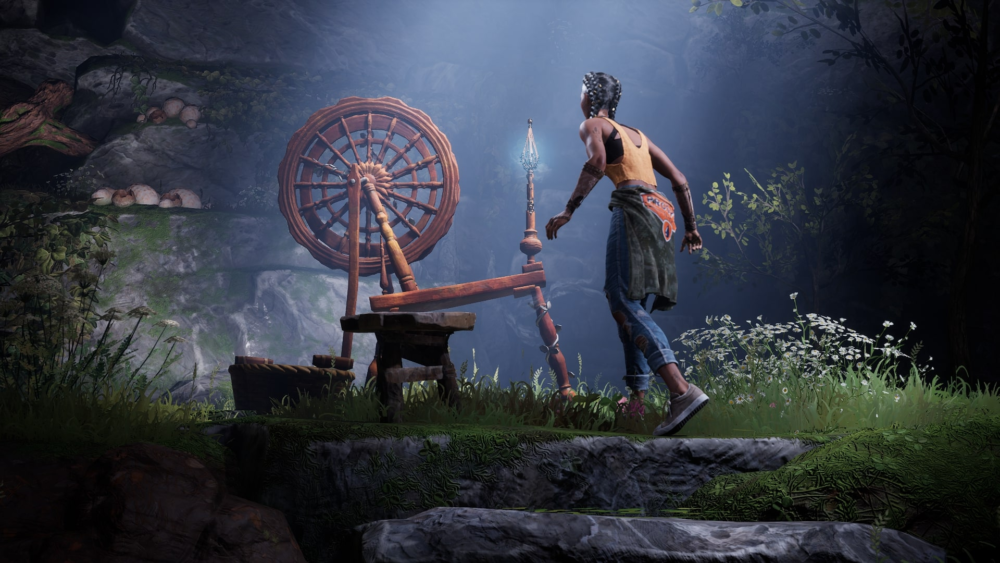
The Peabody Award-winning South of Midnight has not only won many awards, but it has also exemplified a respectful path to explore different cultures and tell a beautiful story.
In 2024, Larian Studios’ Director, Swen Vincke, summarized his philosophy of video games that resonated with many gamers who feel like the games industry has become less about art and delivering a good product and more about profit.
He stated: “ Games are a unique art form, as important as books, music, or movies. Many developers, myself included, make games because they love seeing others engage with their creations in a way only games can offer. They don’t care that much about the money made, beyond it being the fuel they need to create new and better games. It’s worth reminding everyone that fuel is but a means, not a goal. Whereto and how we journey are what matter and what we remember.”
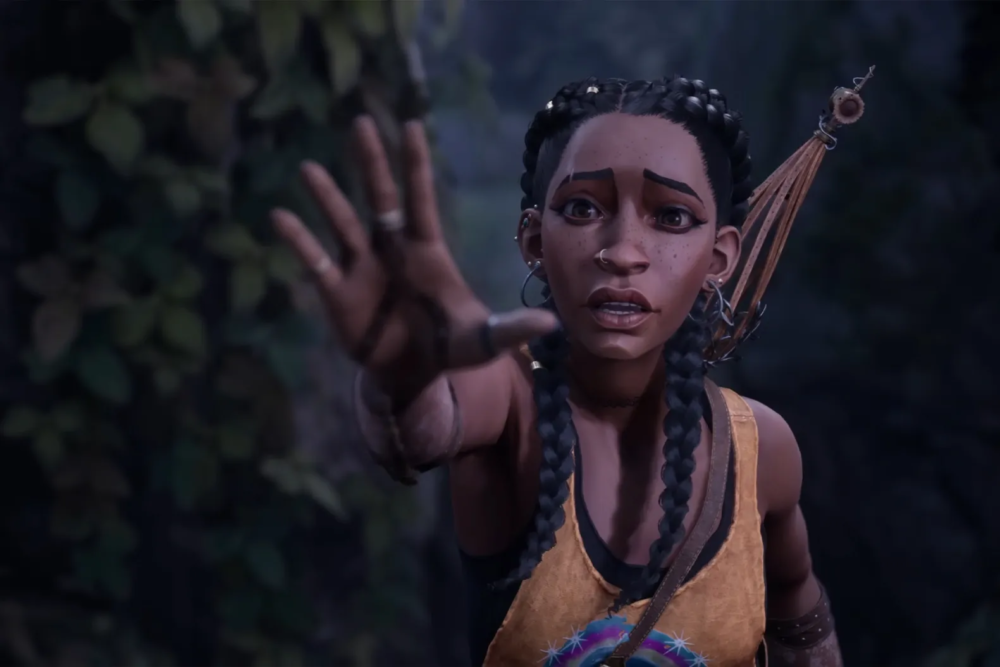
Art isn’t solely about profit; it’s largely about impact. Compulsion Games took about seven years to develop South of Midnight, and while it was not a mechanically perfect game, its story and deep exploration paid respect to Black Southern culture.
It did not rely on stereotypes and told a compelling story about a daughter’s love for her mother and the impact love and empathy can have on a community. The weaver’s abilities mend broken bonds and spirits, but ultimately show that we are more alike, but the illusions of superiority and hate create rifts that impede progress, acceptance, and equality.
The work of Compulsion Games, even dating back to their 2018 title We Happy Few, and the stories they tell are important. Xbox/Microsoft must find a way to keep its doors open.
I encourage everyone to watch the official documentary of the behind-the-scenes development of South of Midnight on Xbox’s YouTube Channel to gain more insight into just how much work and research went into the creation of the game.
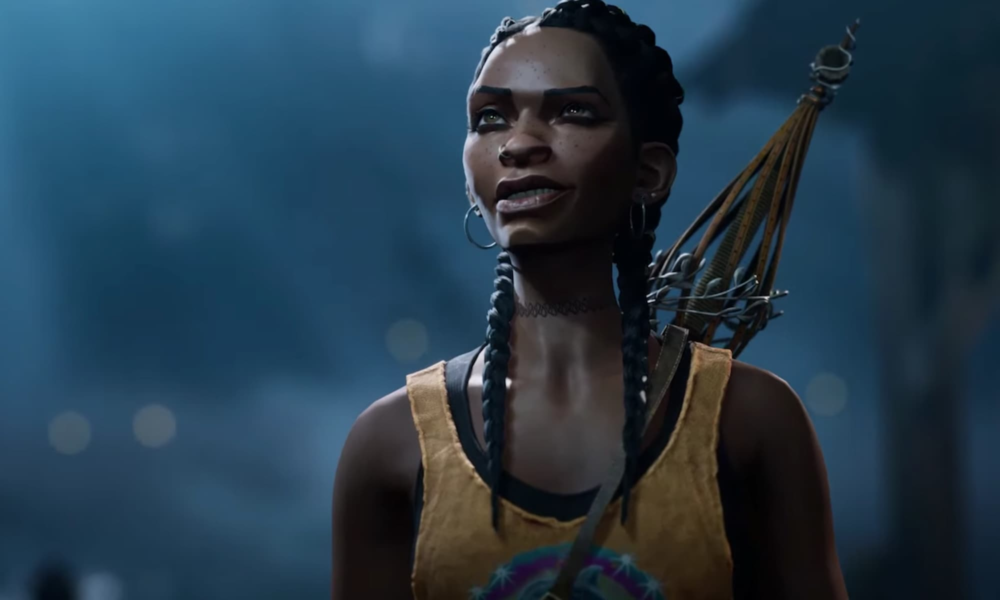
It would be ignorant not to acknowledge that companies like Xbox/Microsoft, first and foremost, are a business, so obviously profit is important. However, with a game like the award-winning South of Midnight, which had so many odds stacked against it before its release, its stop-motion artistic direction, narrative, and cultural significance cannot be denied despite its middling (or lower than expected) profits.
The games industry has many ‘communities’ that have shown their immediate hateful distaste for projects that have a Black lead, especially a Black woman, or center Black American culture that isn’t wrapped in stereotypes written by non-Black developers.
From the very beginning, a game like South of Midnight, while unfair, did not start with a blank slate of healthy curiosity and acceptance from the gaming space at large. But the continuous impact of stories like South of Midnight, can change that, which is something that cannot be judged by a dollar sign.
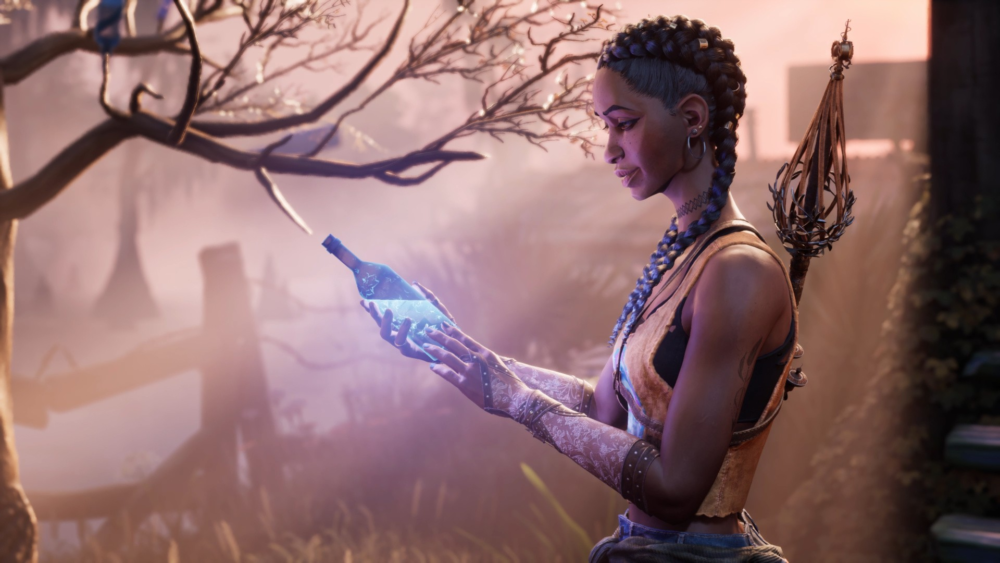
In the age of record-breaking profits and amazing titles on the horizon, it is sad to see more and more layoffs and studio shutdowns. Compulsion Games’ work is too important to lose within the games industry, and it would be a tragedy to see them disappear during a time when soulless endeavors involving AI are aggressively being pursued and replacing real developers’ jobs.
As of June 15th, it’s been reported by multiple gaming news outlets that studio leadership at Compulsion Games is currently in negotiations with Microsoft about the fate of its future.
Today, during Juneteenth, I want to continue to celebrate South of Midnight’s success, congratulate them on their recent Game of the Year win, highlight the love and care that went into its development, and hope that during this restructuring of Xbox and its studios, we do not lose them in the process.
Happy Juneteenth! Keep Black art, stories, and joy alive!
About The Author