
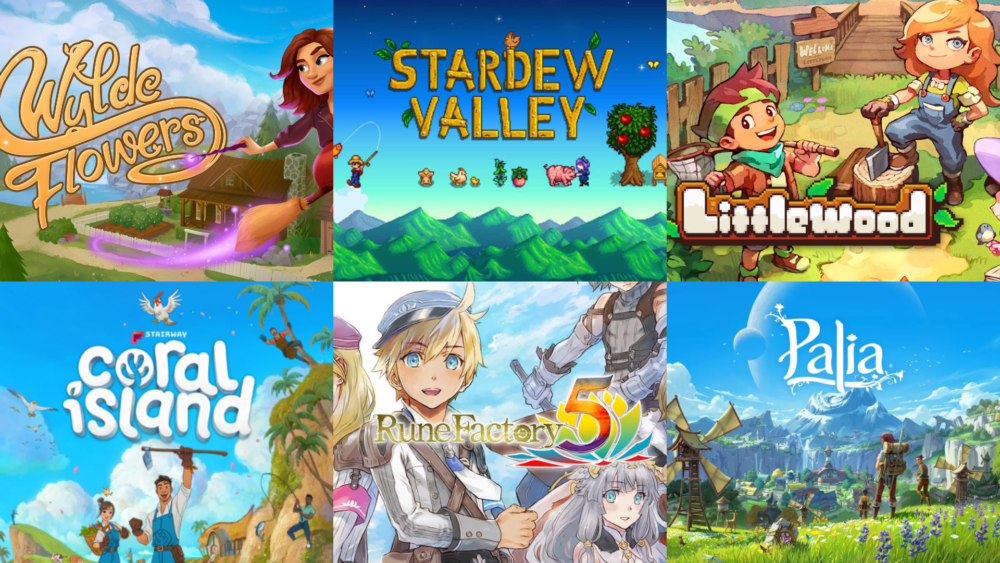
Love Pokopia? Then you need to try these inclusive life sims!
Along with how absolutely adorable Pokémon are — even in a post-apocalyptic world deprived of humans — the new hit video game Pokopia has reminded everyone just how fulfilling a truly great life sim can be.
These are games that immerse players in worlds where they can practice the skills they often don’t have time for in real life. From growing crops, to mining minerals, to simply helping out their community, life sims remind us just how affirming accomplishing simple tasks can be, with the best ones featuring the many marginalized identities of the players who love them.
With the popularity of Pokopia, so many new players are being introduced to this cozy genre and the many inclusive games that fill it. Let’s go through some of the best ones now, and give folks a whole list of life sims to try out after finishing Pokopia!
Wylde Flowers
Many life sims imbue their realistic chores with wondrous elements — like being an up-and-coming witch!
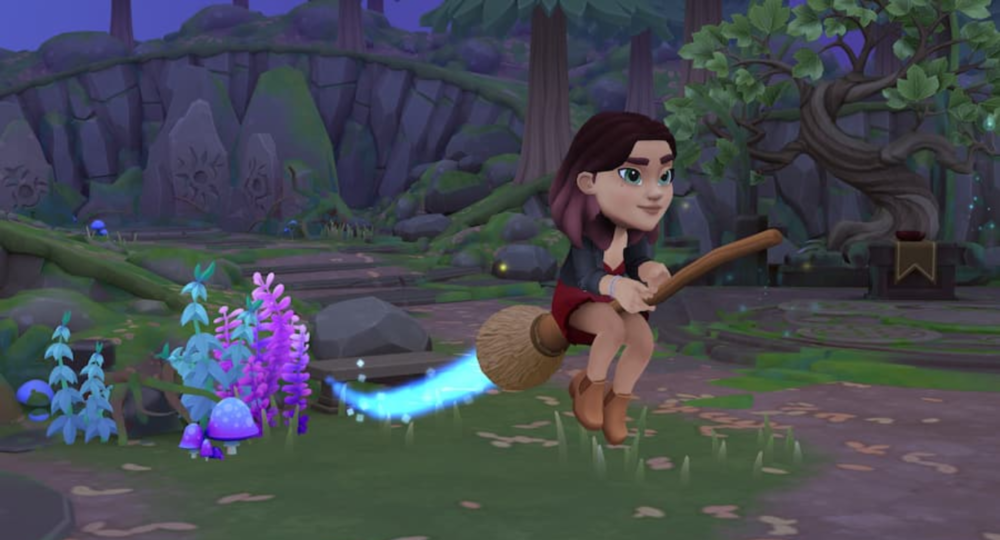
Wylde Flowers sees you play as Tara, a young woman who moves in with her grandmother to help out around her small island community. This mission comes with the usual farming, cooking, and community building of other life sims, but these quickly take a magical turn when it’s revealed that Tara’s grandmother leads a coven of friendly witches!
Wylde Flowers immediately gives players a chance to define Tara’s sexuality, a choice they’re able to change throughout the game while also having the option to date any non-playable character (NPC) no matter their gender. Each of these NPCs comes with a full voice-acting performance — a rarity for modern games — and embody a wide range of ethnicities and pronouns. This makes Wylde Flowers’ world a truly representative one, merging this nonstop inclusion with the mystical chores at its center.



Littlewood
It’s shocking that there aren’t more 8-bit life sim games like Littlewood.
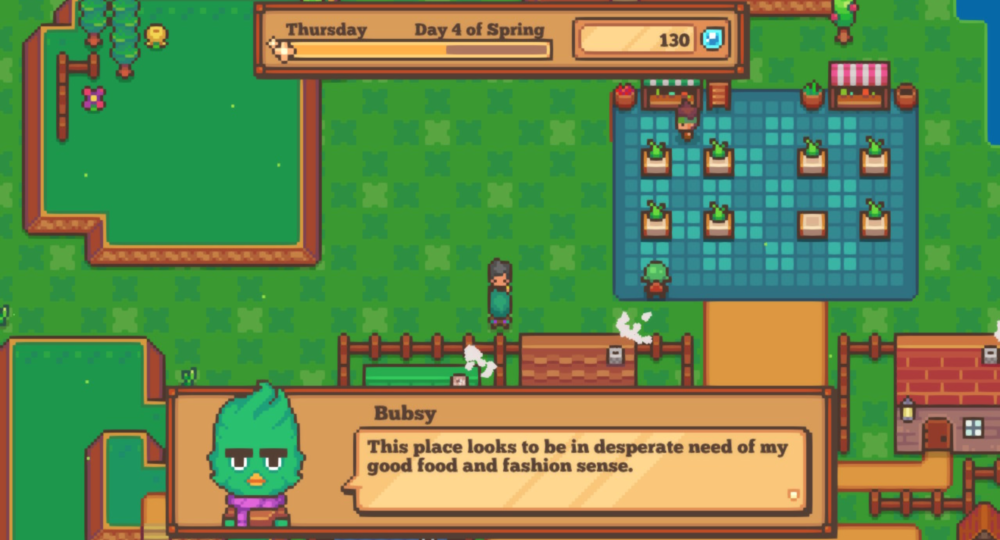
This 2D roleplaying game uses the nostalgic ambience of its artwork to tell the story of a valiant hero who has just saved their world from utter doom. This brave act wasn’t without consequences, though, with players working as the hero to rebuild their broken community and help the many inhabitants who call it home.
Littlewood’s gameplay sees our protagonist fixing up the small town, doing tasks for the zany community members, and designing their own house within the community. It’s a laidback project that prioritizes comfort above all else, which shows through in its inclusivity; Littlewood doesn’t make its players choose a gender identity at the start and focuses on fluidity when it comes to pronouns. It also allows for the romancing of any NPC (while never actually pushing the player to search for love) who are also defined more by their character traits than a static set of identities. It’s a game focused on this snug inclusivity above all else, making it perfect for a player looking for easy comfort with beautifully retro graphics.

Coral Island
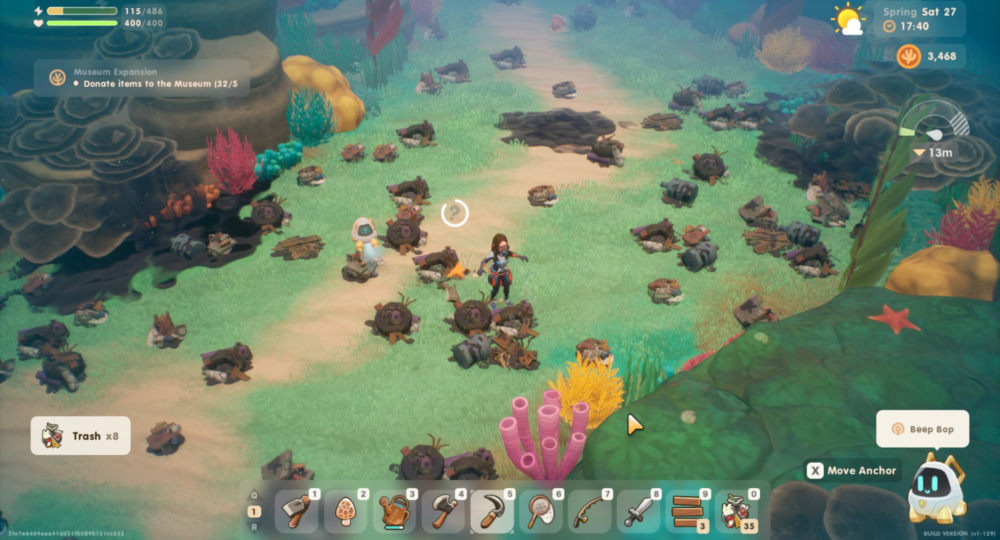
While there are many popular life sim games, few have gained as much acclaim as Coral Island. Its premise is common for this genre: fed up with tiring city life, our character moves to a remote tropical island and has to adjust to the many tasks of their new oceanic home. It features your usual life sim mechanics with an aquatic twist; along with tasks like farming, building, and animal taming, it also allows players to dive into the treasure-filled depths around the island and even clean up oil spills.
Coral Island stands out as one of the few games that accounts for the non-binary identity in its character creation, with players being able to use Mx. as a title throughout their gameplay. This inclusion doesn’t stop with our player character, as the whole cast of NPCs embodying various gender identities, body types, and cultural backgrounds to create one of the most diverse settings this medium has ever seen. This is all topped off with endlessly pleasing task-based gameplay, making it no wonder why Coral Island is one of the most popular life sims today.
Rune Factory 5
Some people come to life sims for relaxing chores and heartwarming relationship building — and some come to it for pulse-pounding combat.
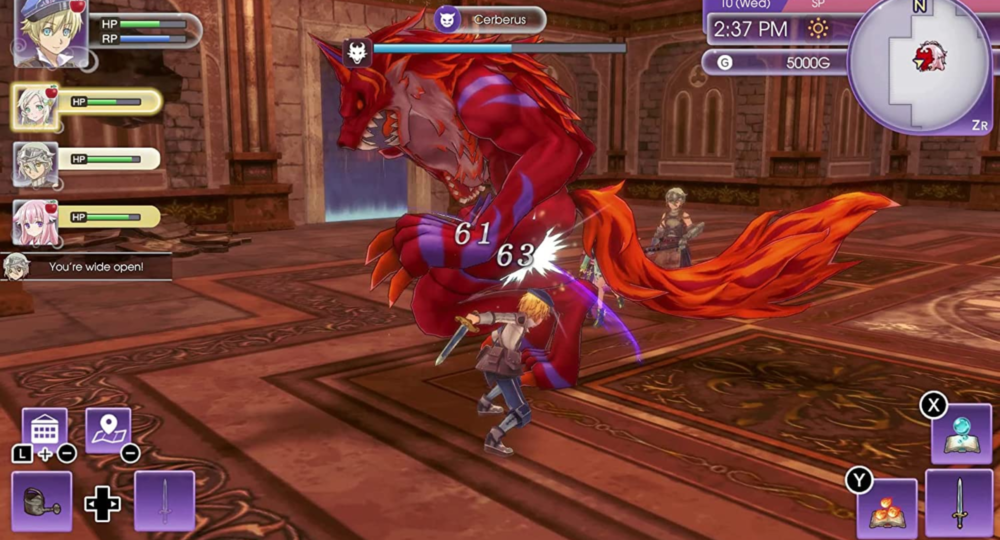
In Rune Factory 5, the latest installment of this long-standing series, our character joins a small village of magical townsfolk in desperate need of help with various tasks… including fighting the many monsters that surround their town! The game’s complex fighting system doesn’t take away from the usual mechanics life sim lovers are used to, with Rune Factory 5 recognizing that healthy crops are just as important as taking down monsters when it comes to helping your community.
Rune Factory 5 sticks out as the first game in this series that lets characters pursue same-sex relationships with NPCs. This may not be the same level of representation as other games on this list, but for players who care just as much about intense fighting as they do seeing their identity onscreen, this life sim is the perfect mix.
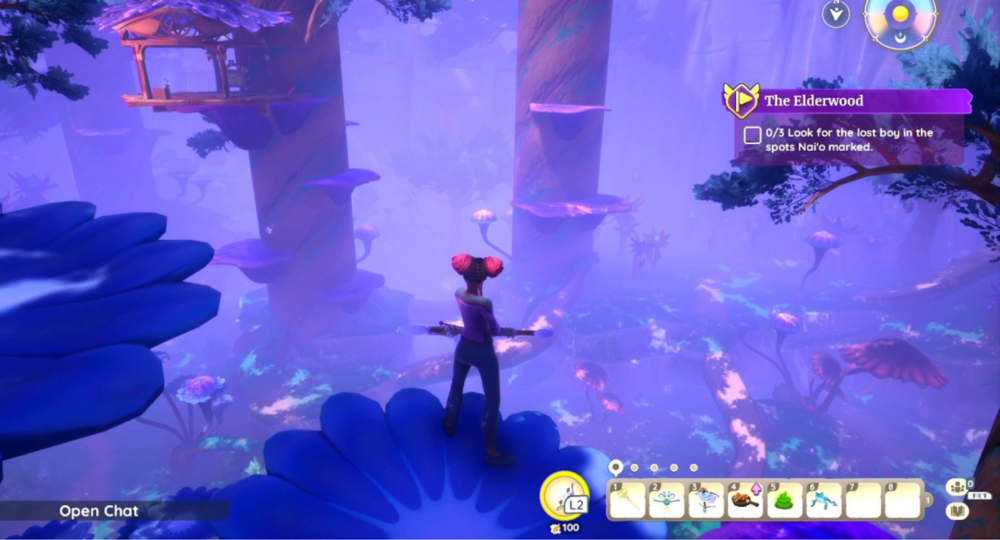
Palia
Few games are as ambitious as Palia, a life sim that is also a massive multiplayer online (MMO) game. Set in a wild world of magic and mayhem, this brightly-colored environment has players work to build their magical homestead through chores like cooking and gardening while trying to uncover the many secrets that this fantastical setting holds.
Many MMOs suffer from rampant toxicity, with hateful players creating unwelcoming environments for more marginalized gamers. Luckily, Palia recognized this issue and built itself around fighting it; it has strict anti-discrimination community guidelines and is constantly promoting inclusivity and community within its player base. Along with this, the setting features a diverse array of NPCs and in-depth character customization that lets players craft their characters in ways not determined by gender identity. It’s a lofty attempt at creating a collaborative life sim that is welcoming to all, and if the many LGBTQ+ players who’ve raved about the game are any testament, it’s an attempt that Palia wholeheartedly pulls off.
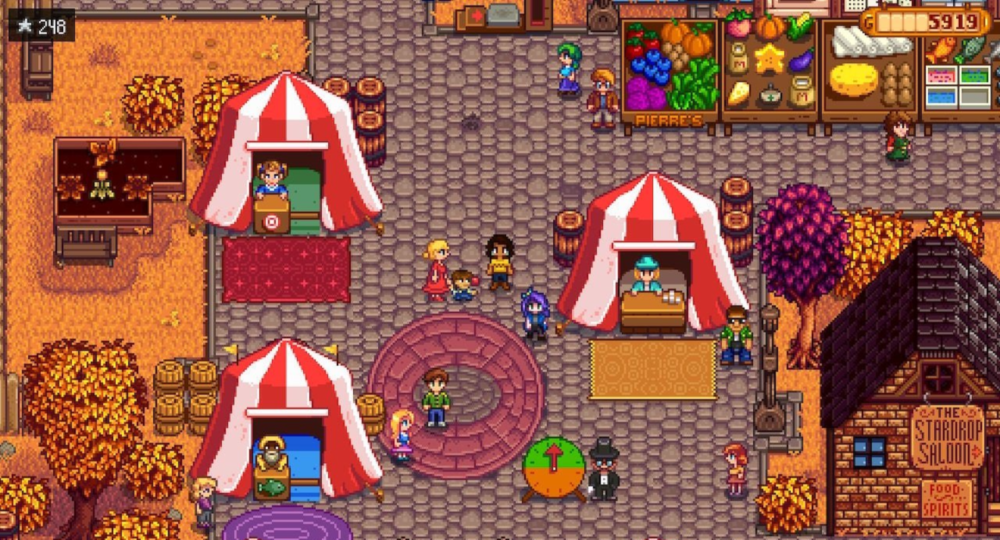
Stardew Valley
Of course, no list of inclusive life sims would be complete without Stardew Valley, a game that, for many, is the epitome of what this genre should be.
Stardew Valley sees our main character leave their tiresome job to take over a farm in the charming Pelican Town. Not used to the toils of country life, they must learn the logistics of tasks like farming, fishing, and even some light combat against the valley’s hidden creatures, with all of this taking place within the game’s unique changing seasons mechanics. These shifting weather patterns mean that the player needs to always be creative to help their community, making Stardew Valley a constantly evolving gameplay style that’s hard to grow bored of.
Along with perfecting many of themechanics that have become life sim staples, Stardew Valley gained so much attention when it debuted because it allowed players to romance any NPC, no matter their gender identity. As evidenced by the rest of this list, this is an aspect of inclusive life sims that has luckily become more commonplace over time. But Stardew Valley was one of the first to create a setting where players could not only find comforting gameplay but LGBTQ+ characters just like them. It was a heartwarming innovation, which is why Stardew Valley is not only one of the most renowned life sims ever, but a true trailblazer in gaming as a whole.
About The Author