Life is Strange’s Samantha Bowling on how impatience shuts Native creators out of nerd culture
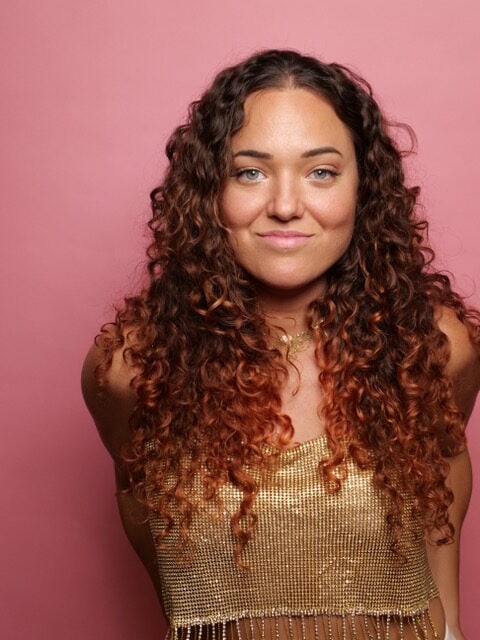
Samantha Bowling, the Cherokee actor behind Amanda Thomas in Life is Strange: Double Exposure, reflects on growing up outside nerd culture, the backlash to her character, and how impatience from audiences and the industry can shut Native creators out.
I never really felt like I was part of nerd culture. My brother got a Sega Genesis for Christmas when he was eight. I was six and not welcome to play with him because he couldn’t afford the patience it took for me to read all the messaging between levels. But I wanted to understand the story behind the tasks we were completing.
To me, pressing buttons was just the vessel. The story was the interesting part, but I wasn’t given the time to explore and learn how to navigate the vessel, so I never got into gaming.
If people don’t feel welcome to figure things out, the barrier to entry feels too big, and they miss out on an entire lifetime of being connected to the thing.
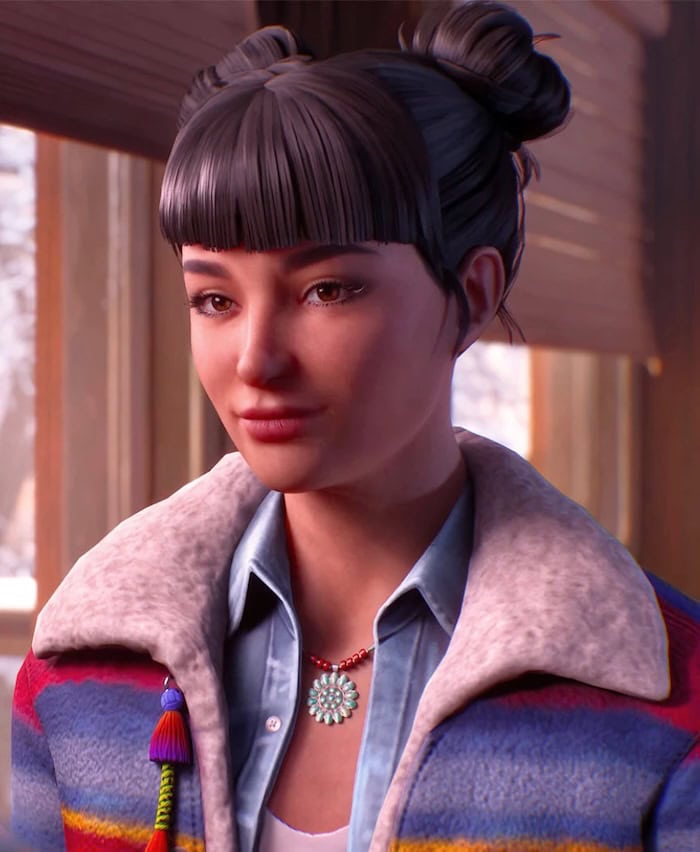
Cut to a bajillion years later. A friend had auditioned for a video game character named Amanda Thomas and gave the producers my name because she thought I was a better fit.
Amanda was a bartender and comedian (both things I do and/or have done), and ideally the character would be Native American, with her background shaped around whoever was cast. I auditioned. I booked it. The game was Life is Strange: Double Exposure.
The creative team sent me Life is Strange: True Colors to let me discover what we were making, and I was blown away by how rich the characters and world were. I didn’t know a video game experience could be that meaningful.
It made me a little sad: I felt like I had missed out on this entire world. I’d been gatekept by a lack of patience, so I had to relearn what this thing actually was, and what it could be.
But I hoped the work I was about to do with this team would be a sort of reclamation, and it was on many levels. It was also exactly the kind of open-minded exploration I hoped audiences would give Amanda.
Because my background is Cherokee, Amanda became Cherokee. I got to build her with the team and infuse little pieces of my culture, and myself, into her.
I even helped write tiny pieces of the game. Some of Amanda’s social media jokes were mine! A couple of her lines were mine!
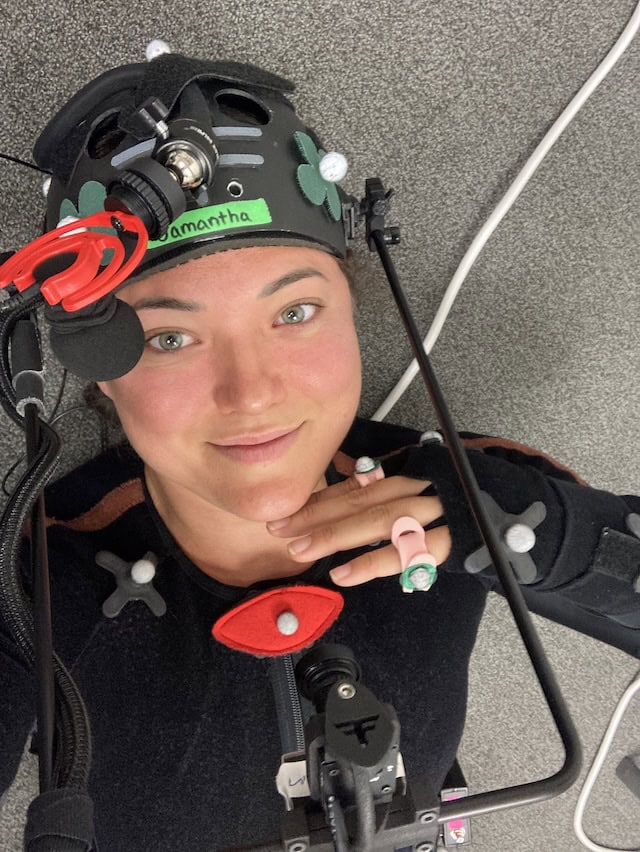
Amanda wasn’t just a new Life is Strange character for players to meet. In a tiny way, she was introducing them to my people, and to me. I couldn’t wait for audiences to meet her.
And then something strange happened.
Double Exposure wasn’t received the way everyone had hoped, and it was later reported to have been a significant financial loss for Square Enix. And I got my first real glimpse of the darker side of nerd culture.
One major point of contention was Chloe Price, the beloved friend and potential love interest of series protagonist Max Caulfield in the original Life is Strange. Amanda effectively walked into one of gaming’s most emotionally charged relationships. And some people did not want her there.
A corner of the internet is steadfastly Team Thomfield (the fan name for pairing Amanda Thomas with Max Caulfield), and they are very cool; they message me and send me art that literally makes me cry.
But another very loud population openly wanted nothing to do with Amanda before they’d even met her. Because she wasn’t Chloe. Fans wanted to get to the Chloe part the same way my brother wanted to get to the button-pressing part, and Amanda was kinda thrown out with the bathwater.
This was fascinating to watch because I was enough steps removed from the controversy to meet it mostly with curiosity, even though Amanda was built with so much of me inside her.
I’ve stayed quiet about it for a while because I don’t want to put anyone on blast. Fans had legitimate criticisms of the game, and people are allowed to love Chloe. There’s no way for me to say people rejected Amanda because she was Native or because she wasn’t white.
But the experience did make me think about what we mean when we say we want better representation.
Impatience from the dominant culture can create a barrier to entry for marginalized people.
We must be willing to give new characters, and the marginalized creators behind them, a real chance.
Marginalized creators see this a lot: white or male, cis or hetero creators make a character or a story that features people from backgrounds they don’t know anything about, and often end up creating stereotypes in their ignorance.
Those stories can be more successful than ones created by diverse creators about their own authentic experiences, because “mainstream” audiences aren’t as comfortable seeing people they hold certain beliefs about living lives or holding identities different from what they expected.
But diverse creators need room to experiment, succeed, fail, learn, grow, and try again, and audiences need exposure as well if we ever hope to understand each other better.
The tech bros who decide what gets made are looking at data, not legacy, not relationship nuance. To them, the math is simple: white girl plus white love interest in a predominantly white community equals game make money. White girl plus Native love interest in a diverse community equals game no make money.
If every project involving an underrepresented character has to become an unimpeachable commercial and creative success to justify the next one, that’s not representation. That’s an impossible standard.
Native people belong in nerd culture because storytelling isn’t new to us. We’ve always been storytellers.
And Native people belong in nerd culture because storytelling isn’t new to us. We’ve always been storytellers. It’s how we teach, preserve history, and make sense of our relationship to the land and to one another.
Storytellers hold places of tremendous importance across many Native cultures because stories are critical to cultural longevity. When Natives don’t feel welcome to tell our stories, we don’t tell them, and you get hundreds of years of not hearing from us.
As we celebrate Native American Heritage Month this November, seek out Native nerds. Support Native writers, actors, artists, and game developers. Some of my favorites are Joey Clift, Kyla Garcia, and Kelly Lynne D’Angelo.
And if you haven’t discovered Coyote & Crow, start there: it’s a tabletop role-playing game made by Native creators that imagines a future in which colonization never happened.
Audiences have more power than they realize. Your attention matters. Your dollars matter. So, give Native creators opportunities to tell stories, and then show up for those stories with curiosity and patience.
Because when audiences support diverse stories, we get to keep telling them.
About The Author