
Die and the Inherent Queerness of TTRPGs
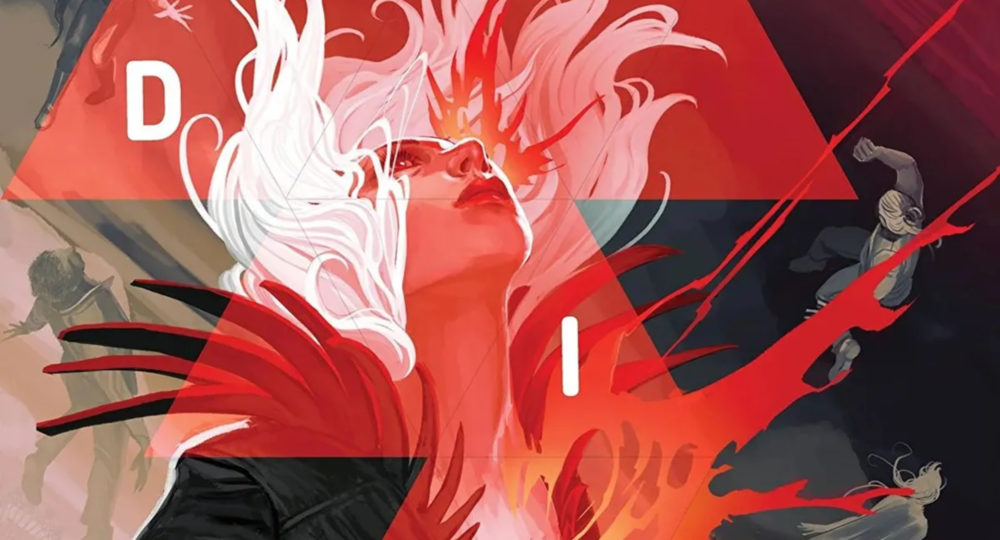
Few comics — or pieces of media in general — have managed to capture the terrifying wonder of a good tabletop roleplaying game (TTRPG) like Kieron Gillen’s seminal work, Die.
An author renowned for taking the most beloved fantasy tropes and twisting them to their darkest potential, Die stands as one of Gillen’s most prolific stories. Focusing on a TTRPG group who were sucked into their campaign as teenagers, it sees them as traumatized adults 20 years later when they’re once again stolen into their youthful fantasy world. Painted in the jaw-dropping artistry of Stephanie Hans, Die delves into the history of roleplaying games and what makes them so popular today.
It’s a dark, shockingly inspiring ode to the chaotic journey that is a great roleplaying campaign. But beyond anything else, Die highlights an integral aspect of this medium that far too few people realize: the inherent queerness that exists in all TTRPGs.
WARNING: Spoilers for the plot of Die below


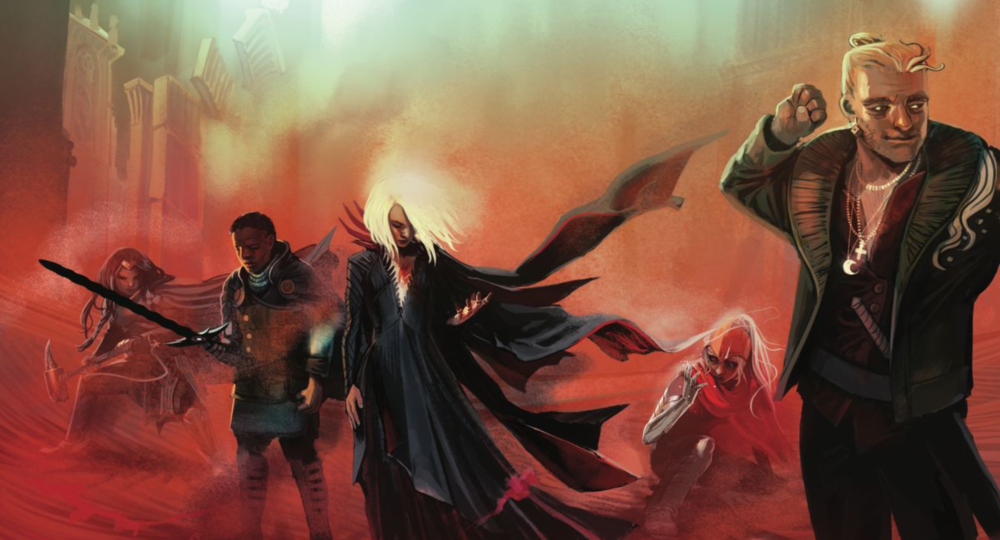
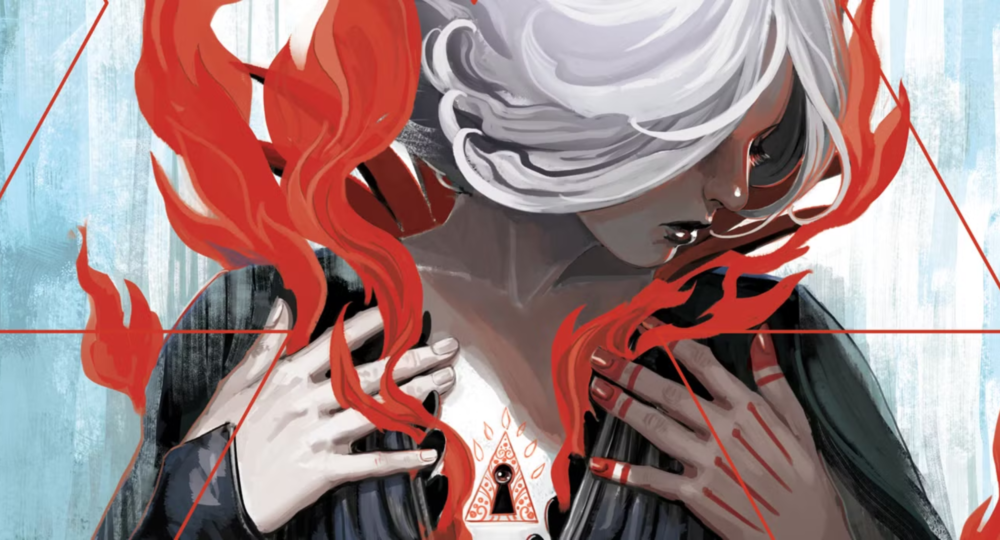
While there are many queer characters and storylines threaded throughout Die, the most prominent example is the story’s focal character: Ash, the soft-spoken businessman who becomes a fiery, ‘evil queen-esque’ bard once transported into the campaign. Neither the narrative nor the characters try to ignore this transition; both as teenagers and as adults Ash’s party members ask about the gender flip, inquiring not only about the choice to adopt she/her pronouns but how effortlessly they embody this new gender expression.
Somehow, in a story of magic and monsters, Gillen provides a nuanced portrayal of genderfluidity that few other comics have ever been able to capture. This mystical predicament forces adult Ash to confront the gender dysphoria that their younger self refused to acknowledge, which appeared in minute ways — like choosing to play a woman in his TTRPG game. By forcing her to finally face the questions of her childhood, the story portrays coming out in a way that many people will relate to: very uncomfortable, and super awkward.

The path to recognizing that you aren’t cisgender can be a frightening experience, with Die taking the internal strife of this recognition and turning it into the magic-fueled battles that Ash takes part in. Along with an overall evaluation of role-playing games as a whole, Gillen visualizes the internal struggles that many have fought through in their own lives. Yet along with this reflection, Ash’s story also stresses the eventual joy that comes with self-acceptance. And, on a macro scale, it highlights the queer exploration that is inherent to any good TTRPG campaign.
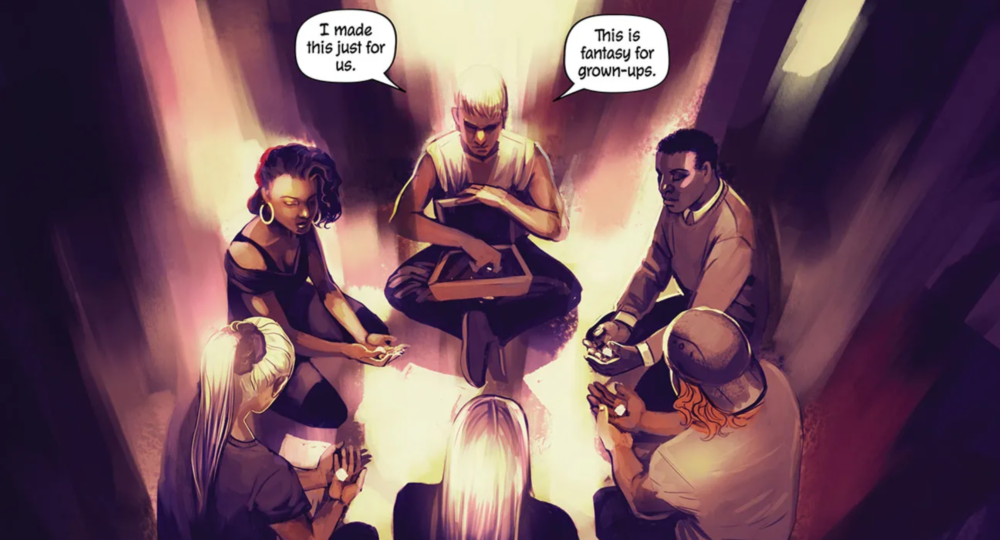
The core tenets of any roleplaying game are imagination and autonomy. Assuming that whatever ‘dungeonmaster’ leading the narrative isn’t fond of railroading, players are meant to practice their creativity at every possible moment. From character creation to actual roleplay, these campaigns are avenues for true self-expression, for vocalizing and playing out the ideas that would have no place in someone’s day-to-day — something that, especially for people encouraged to hide themselves, can be an utterly healing experience.
For many LGBTQ+ folks, tabletop games are their first opportunities to express the aspects of themselves they’ve been forced to hide. Whether it be trying out new pronouns, wearing a new name, or playing with different styles of physical presentation, these campaigns allow them to uncover parts of their identity that don’t often see the light of day.
This experience can be a revealing, if not slightly shocking experience for many queer players. Because being able to act and be perceived in a way that you always dreamed of can be a heartening experience — but also a scary one.
As shown through the physical conflict Ash embraces instead of actually reflecting on her own identity, DIE spotlights the emancipation that gameplay allows…and how so many people will reject it. Because it’s very easy to write off self-realization as simple game mechanics. And, unfortunately, countless players will face the same hurdle as Ash: an internal refusal to recognize how good it feels to be your truest self.
But even within those who cling on to that refusal, TTRPGs will offer a reprieve. A chance to take a break from this sturdy secrecy and instead dive deeply into a fantasy world where you can consider aspects of yourself you feel like you can’t in reality. And for those who eventually come to accept their identity, many will look back and laugh at how their queerness slipped through into their TTRPGs.
How their characters will date the same gender long before they did, or how their title within a campaign will eventually become the chosen name they adopt in their daily life. These developments can happen in a myriad of ways, but they are all made possible by the freedoms that roleplaying campaigns allow. Ones that many players will want to persist long after the dice have been put away and their weekly play session has ended.
This self-discovery can be both magnificently enlightening and deeply terrifying. It’s a dichotomy shown perfectly through DIE, with Ash and numerous other players reveling in the social release of their fantasy world while repressing what this means about their real selves. Yet the comic highlights an aspect of these games that can be easy to forget when you’re actually in them: this is a space of freedom. Especially for LGBTQ+ players, it’s an arena of the mind where your questions are encouraged, where you’re allowed to don new aspects of yourself and work through what they mean for you. It’s a safe space for questioning, which is often all any queer person needs to learn who they really are.
This liberation that is far too rare for far too many in the real world. And it’s the encouragement of that which not only makes DIE a stunning exploration of queer identity, but that makes all TTRPGs a haven for queer folks hoping to find out more about themselves today.
About The Author