
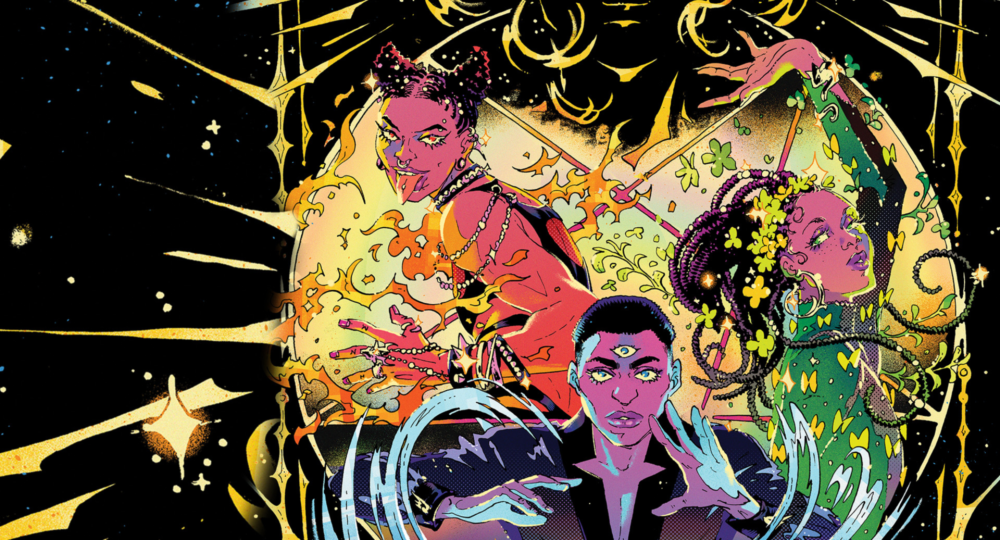
The Witchy Freedom of Bytchcraft
While there are many comics that explore LGBTQ+ identity through magical chaos, there’s never been one quite like Aaron Reese’s Bytchcraft.
Queerness looks different for everyone — but you wouldn’t always know that from the mainstream media. The fight for LGBTQ+ representation has been a generations-long battle, one that, luckily, has yielded numerous queer characters in film, television, and comics. Despite ongoing attacks against our communities’ art, audiences are lucky to see so many examples of people just like them…well, sometimes. Because a side-effect of queer identity being featured in the mainstream is queerness itself being watered down for a widespread audience.
Any LGBTQ+ identity is valid, but it’s undeniable that many modern projects prefer to feature individuals that fit into heteronormative ideals, representing parts of the queer population that can ‘easily’ be digested by a heterosexual audience. It’s been unfortunate to watch so many intersectional identities get left behind by this style of inclusion, making it all the more important that defiantly queer comics like Bytchcraft exist today.
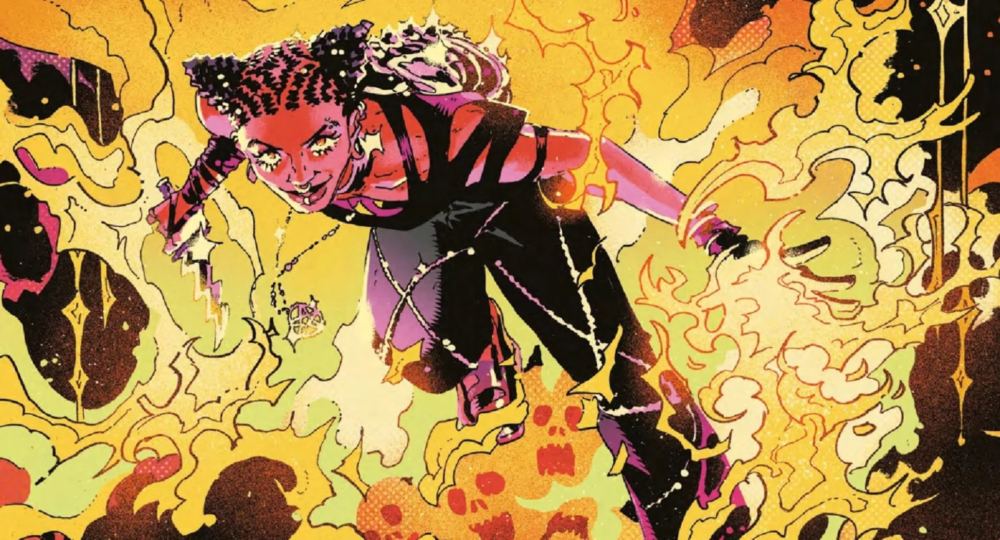
Written by the late, great Aaron Reese, this Mad Cave Studios series follows a coven of wytches navigating their supernaturally-infused New York. A group of young adults as obsessed with their style as they are with ancient magic, the five-issue comic sees them grapple with an eternal eclipse and the maniacal missionary that it releases upon them.

The story’s main characters — Adriyel, a composed seer, Michele, a free-spirited nature wytch, and Em, a chaotic necromancer — are immediately established as queer, with each utilizing a variety of pronouns and expressing affection for various gender identities. This kind of openness is not uncommon in comics; many series offer characters that navigate their world while proudly LGBTQ+. Even more, for decades projects like X-Men have used their queer-coded characters to represent the ongoing battle for equality. Bytchcraft is not the first fantasy series using mysticism to represent identity, but it is one of the few to pose a very poignant question: what does queerness look like when it isn’t meant for queer people?
In most stories that use supernatural themes to explore discrimination, the villains look like the hateful folks that populate readers’ real lives. But Bytchcraft shirks that norm and instead offers an antagonist who adopts many hallmarks of modern queer style: Lady Genevieve. A bloodthirsty cult leader, this zealot has a half shaved head, constantly plays with masculine and feminine appearance, and engages in acts of blatant sexuality that your typical narrow-minded villain would sneer at. In casting a woman who looks like the protagonist of any other queer story as its bigoted antagonist, Bytchcraft stresses that it isn’t identity alone that has made our central coven targets. Rather, it’s their refusal to adhere to what Genevieve and her followers view as the ‘right’ way to practice magic — and, in extension, be LGBTQ+ — that makes them the focus of Genevieve’s city-wide wytch hunt throughout the story.



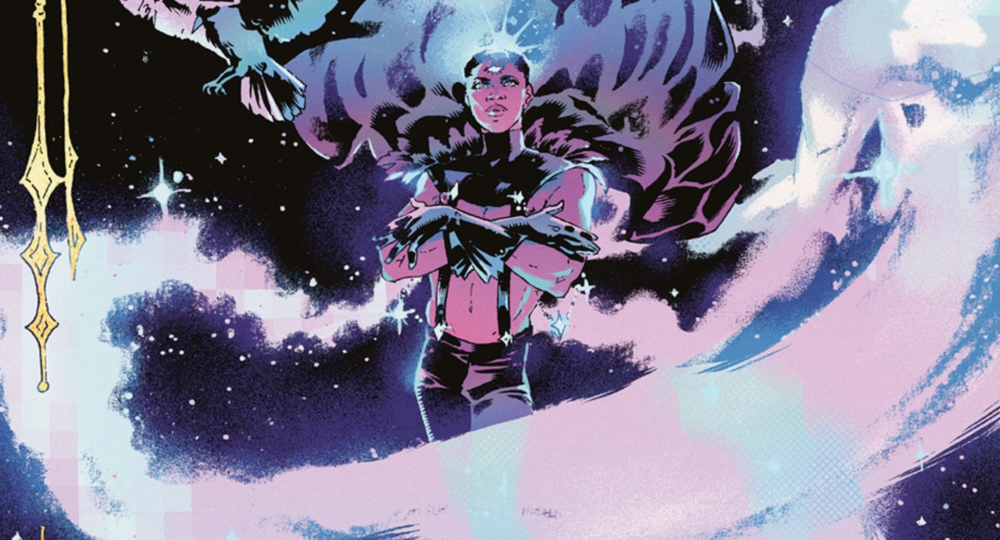
Not only is their queerness wonderfully casual, but Bytchcraft’s main characters refuse to act like your usual fantasy protagonists. The trio never apologize for each others’ behavior, they are constantly taking pride in their many skills, and they refuse to undersell their own strength even in the face of more high-ranking characters (including literal gods). They are not the humble wunderkinds of your typical hero’s journey, but instead a group of people who’ve worked hard for their talents and constantly take pride in the queer excellence they’ve spent years fighting for. Their immense self-respect should be inspirational for LGBTQ+ readers, especially because it inherently fights against the repressive society that Geneieve and her followers are trying to create.
Bytchcraft utilizes Adriyel, Michele, and Em to represent the magic that comes from being unapologetically your most authentic self. And on the flip side, Genevieve and her followers display what happens when society prioritizes one group’s comfort over another’s identity, and how some LGBTQ+ people have historically used that kind of hatred to their own advantage.
Lady Genevieve spouts to her followers about how wrong these folks are while shirking heteronormativity herself, slyly redirecting their hatred while packaging her own differences in a way that they can stomach. Her behavior is reminiscent of the way many LGBTQ+ people in the 70s (and, sadly, still today) tried to distance themselves from the Black and Brown trans communities who made the fight for queer liberation possible. They aligned themselves with ignorance in spite of their own identity, hoping that by adopting hatred they’d avoid any of the hardship that other queer folks welcomed if it meant pushing the movement forward.

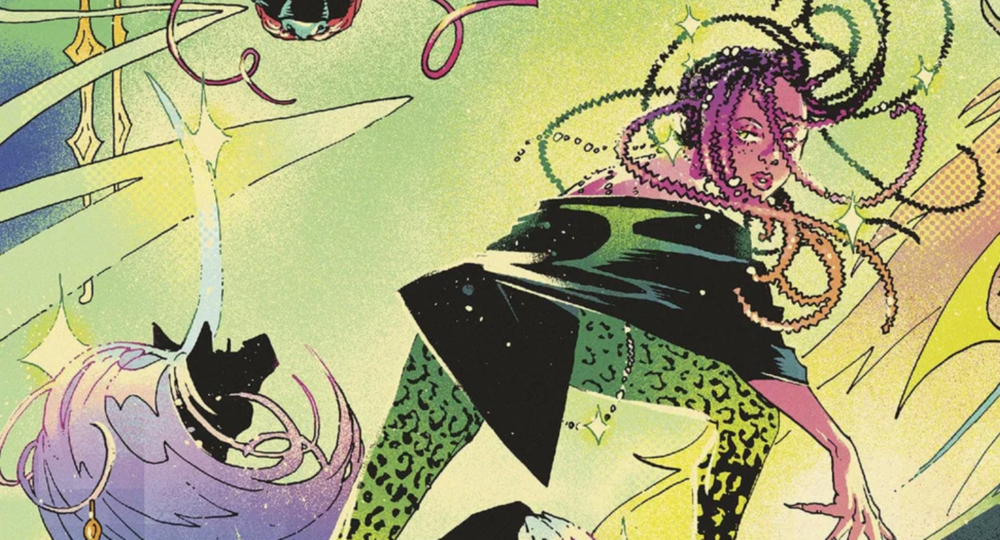
It’s a startling aspect of the LGBTQ+ rights movement that far too may people forget, with Bytchcraft’s allegory of this internal strife not only making it an innovative comic but one of the best dissections of modern queerness that readers can find today. It’s enjoyable even without that metaphor, though; audiences looking for a fun magic story will be delighted with the variety of quests and jaw-dropping moments of magic our coven experiences throughout their five issues. No matter what, readers will still be able to marvel at the rampant Pride and joyful freedom that our protagonists fight for with every panel.
This alone makes Bytchcraft a great read, but it’s the deeper aspects of this story that really emphasize the comic’s central message: authenticity is powerful. And in the face of those who tell you that your Pride is only possible if it presents in a way that they’re comfortable with, it reminds viewers that true freedom shouldn’t have to be watered down. That Pride should look and feel genuine for whatever person it belongs to, and that by finding their own ‘coven’ and learning to love every part of themselves, readers can become just as powerful as the wytches of Bytchcraft in their own lives today.
About The Author