6 LGBTQ+ Pokémon characters you need to know!
While millions of players were excited for the release of Game Freak’s Pokopia, few groups were as thrilled as the LGBTQ+ gaming community. And it’s clear to see why; LGBTQ+ gamers have spent recent years raving about cozy life simulators, and over the past few decades, queer trainers have become one of the largest subsets of the massive Pokémon fanbase.
Yet despite this, many have complained about the company never featuring LGBTQ+ characters in their many projects… although that isn’t necessarily true.
Because while Game Freak has never blatantly labelled a character as queer, eagle-eyed fans have spotted numerous trainers across the franchise who are not only LGBTQ+, but whose stories feature vital themes of queer love and self-acceptance.
Let’s take a look at some of those characters now and recognize that while the company has a long way to go when it comes to inclusion, Pokémon is absolutely a world where all LGBTQ+ trainers are welcome!
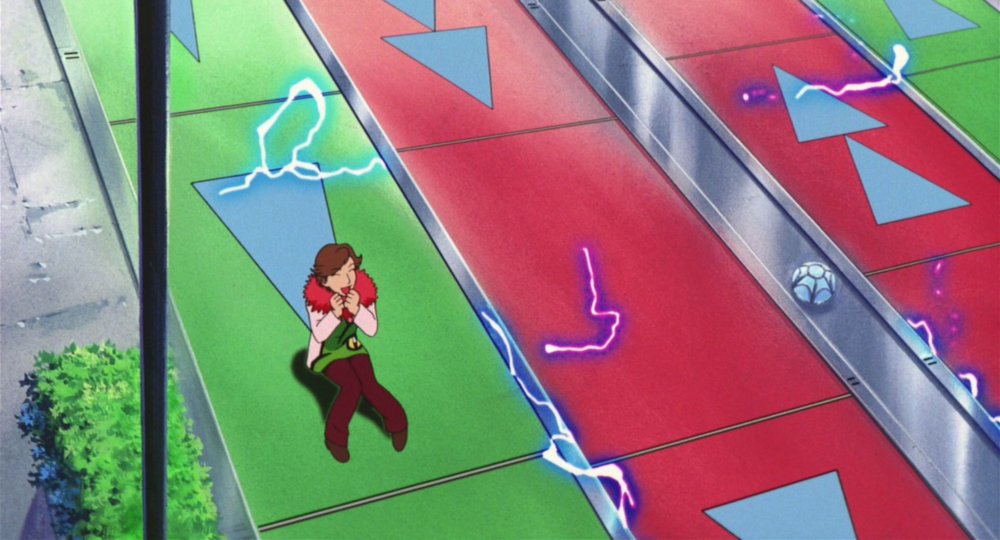
Kaba-chan
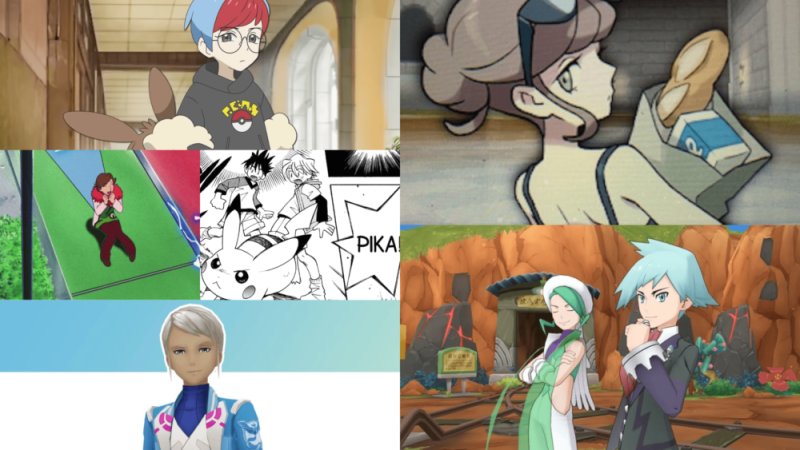
Pokémon may take inspiration from real life, but almost all of the franchise’s characters are purely imaginary — except for one. Because, in the movie Pokémon: Destiny Deoxys, Gamefreak decided to honor a talented artist with a cameo: the iconic LGBTQ+ advocate, Kaba-chan!
Beyond her skills as a singer and dancer, many fans will know Kaba-chan for being a queer trailblazer; in 2014, she became one of the only Japanese stars to ever come out as transgender. This came after decades of close work within the world of Pokémon, with the star not only hosting her own variety show about the game but even lending her voice to one of the franchise’s official songs, Pokémon Ieru ka na? 2004.


To honor her contributions, Game Freak animated her into a scene in Deoxys Destiny, with this performer making history again as one of the only canonically queer characters to ever appear in a Pokémon movie!
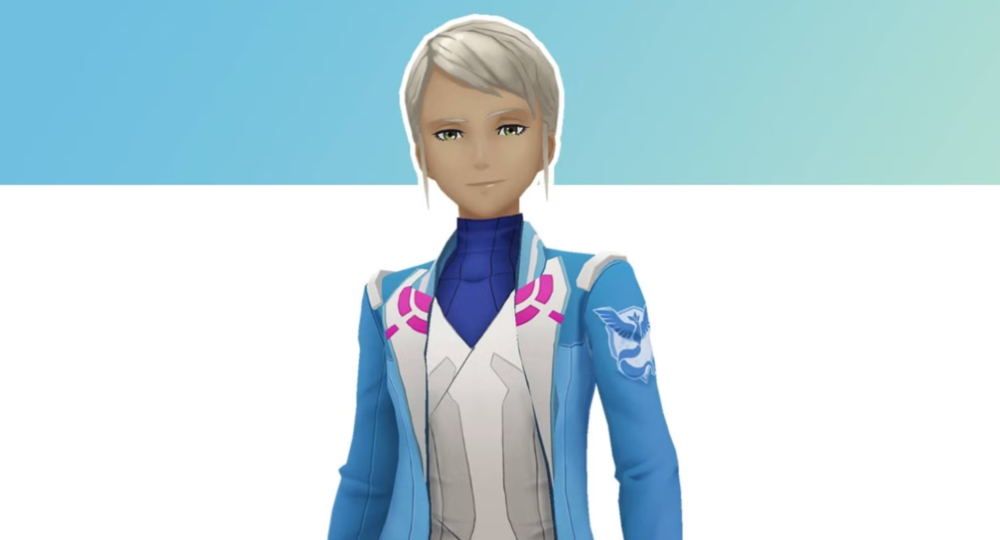
Blanche
Of Pokémon’s countless projects, few have taken over the world like Pokémon GO did when it debuted in 2016. That’s what makes it extra special that, along with allowing players to finally bring their Pokémon battles into reality, this mobile game features one of the franchise’s only canon LGBTQ+ characters in the form of Team Mystic Leader, Blanche.
The icy head of this game’s blue squad, like most characters on this list, Game Freak has never officially labelled Blanche as non-binary. But the company hasn’t hidden their identity either; Blanche canonically uses they/them pronouns, and despite the game’s many themed events, they are only ever portrayed using gender neutral clothing. They constantly make history as the world of Pokémon’s first openly nonbinary characters, providing a vital kind of representation that is still rare in modern gaming!

Penny
Even though her identity lives primarily in player headcanons, it’s undeniable at this point that Penny from Pokémon Scarlet and Violet is a firm member of the LGBTQ+ community.
This bumbling character is a powerful ally to our trainer in these games, with her shy demeanor falling away when she’s revealed as leader of the infamous ‘Team Star.’ This revelation exposes Penny’s past as a bullied student, with many fans identifying the themes of gender dysphoria and queer repression evident throughout her narrative. This, combined with her love for Eevee — a Pokémon whose entire mechanic is rooted in self-expression — and the fact that her partner Sylveon is literally the trans flag colors, has many rightfully labelling Penny as a young trans girl.
Her identity may not be canon for now, but with Penny’s story of self-love and acceptance, it’s no wonder she has become such an important figure for trans Pokémon fans today.
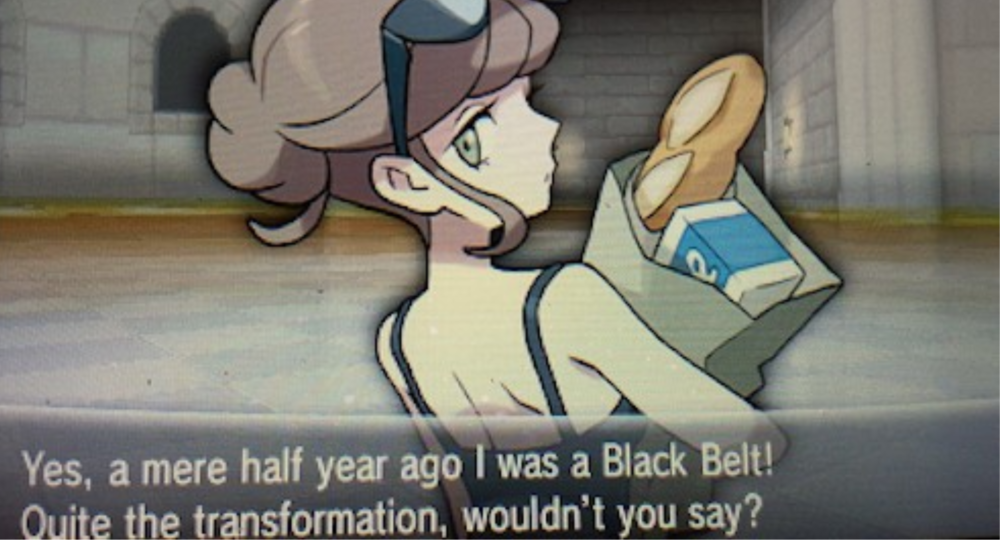
The Beauty Nova
Since Pokémon began, fans have been yearning for canon LGBTQ+ characters — who could have guessed that one would be a random NPC in Pokémon X and Y?
Some necessary context for this icon: in Pokémon games, Black Belt trainers are only men, and Beauty Nova trainers are only women. So when a Beauty Nova starts her battle by proclaiming that she used to be a Black Belt, LGBTQ+ trainers were happily shocked to realize she was clarifying her status as a transgender woman! This is even more obvious in the Japanese versions of these games; in those translations, she explicitly says that she used to be a ‘Karate King’ before giddily applauding the ‘power of medical science.’
Having a character discuss their trans identity is still rare in gaming, making it all the more astounding to learn that this purposefully ambiguous franchise decided to include a post-op trans woman (even if she only shows up for one battle)!
Wallace and Steven
Who doesn’t love a Pokémon power couple?
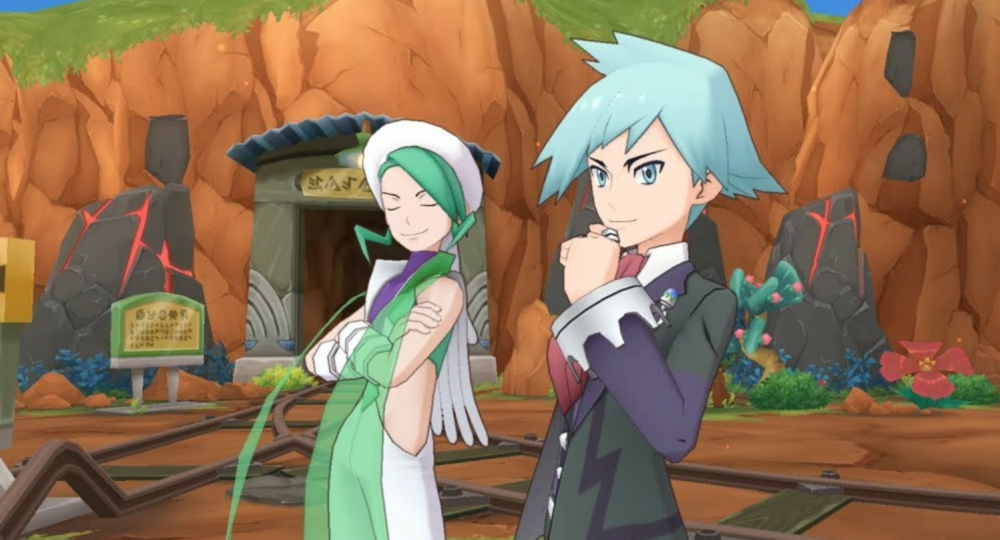
Hailing from the Pokémon Ruby, Sapphire, and Emerald games, many LGBTQ+ gamers instantly fell in love with Water Gym Leader Wallace; the best trainer in Sootopolis, he squares off against our character in a sickening body suit that shows more skin than your typical Pokémon game would allow. He’s very different from these games’ buttoned-up champion Steven Stone, but spin-offs like Pokémon Masters EX emphasize how close these two trainers are — with lines of dialogue hinting that there’s more than just professional camaraderie between them!
From sharing intimate moments in the games and anime, to being featured as a pair during the Pokémon Masters EX Valentine’s Day event, there is ample evidence that Wallace and Steven are in a romantic relationship. Like with most LGBTQ+ characters, Pokémon may never come out and label these two as gay. But fans don’t need that confirmation to understand that in a world full of jaw-dropping creatures, the love between Wallace and Steven is one of the most magical things Pokémon has to offer!

Akari
And, finally, no list of LGBTQ+ Pokémon characters would be complete without one of the few trainers who is not only queer, but receives more than just a few lines to discuss their identity: Akari from How I Became A Pokémon Card.
An anthology manga, the final chapter of How I Became A Pokémon Card introduces readers to Akari, a young student whose mom refuses to see him as the boy he is. This 1999 story is shockingly inclusive; Akari details how frustrating it is being labelled as a girl just because of his sex assigned at birth and how hurtful his mom’s constant denial is. Upset at her transphobia, the boy initially rejects her gift of an adorable Pikachu, thinking that she’s just trying to push something feminine onto him. But by the end of this chapter Akari embraces both the adorable Pokémon and the fact that he doesn’t need his mother to understand him — he knows who he is, and that’s all that matters.
It’s a heartwarming message of self-acceptance from a franchise resistant to blatant queer storytelling. And, many decades later, Akari still stands out as one of the best examples of an LGBTQ+ character that Pokémon (and its many queer fans) has ever seen.
About The Author