
Queerbait in video games made growing up gay even harder
Growing up gay, the line between overly attached sidekick-type characters and romantic interest always seemed very blurred to me, and sometimes still does. Understandably, sex and relationships may not be at the top of the priority list when the world needs saving, but in my world, I care more about whether I can get it on with Claude in Fire Emblem than world peace.
Even now, I’m always looking for queer representation in the games I play, and when I’m being edged by Claude saying he’d let me grasp him by his hand, heart, or even his neck, but only in a platonic way if I’m a guy… That’s when questions of queerbaiting arise.
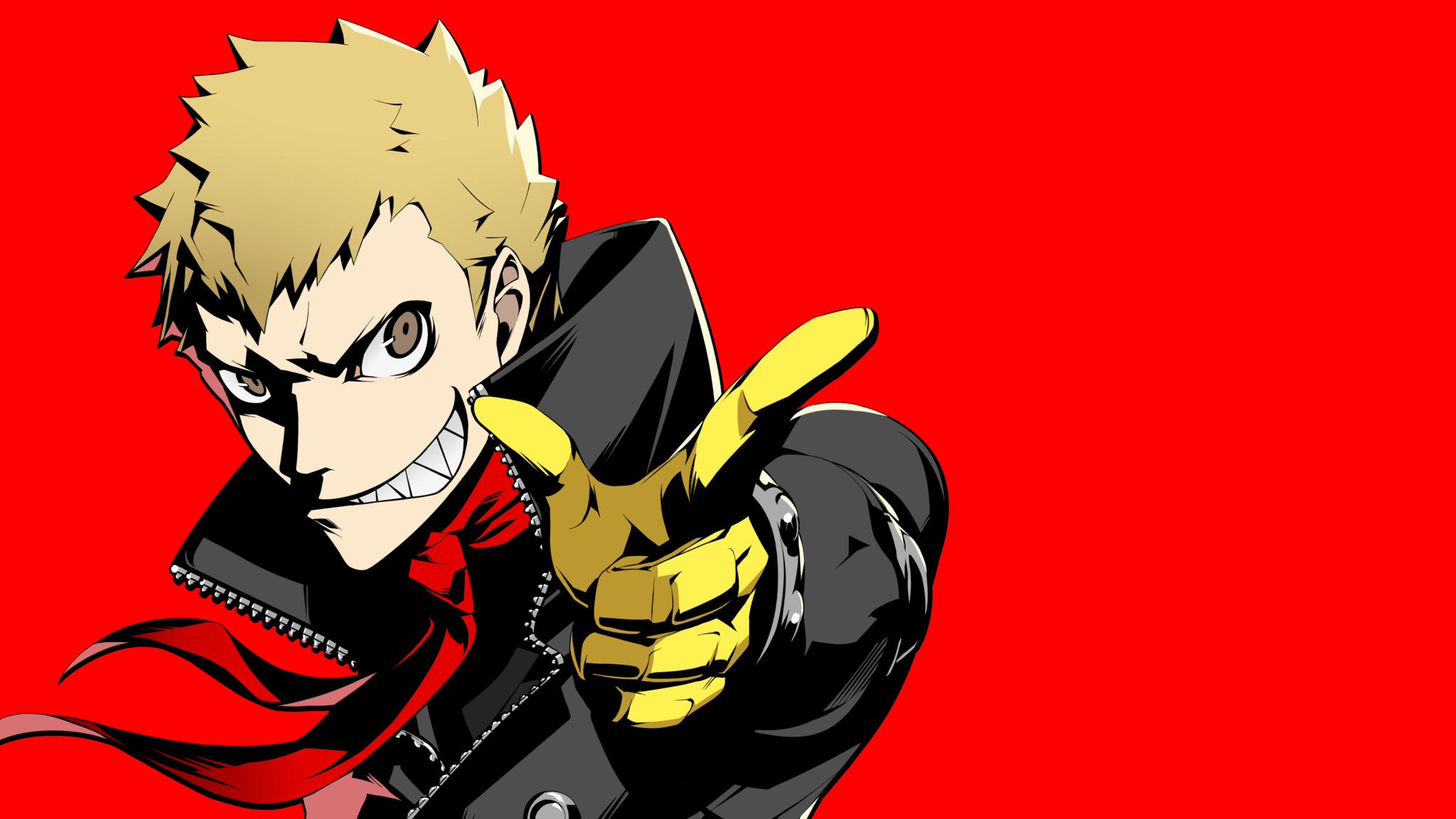
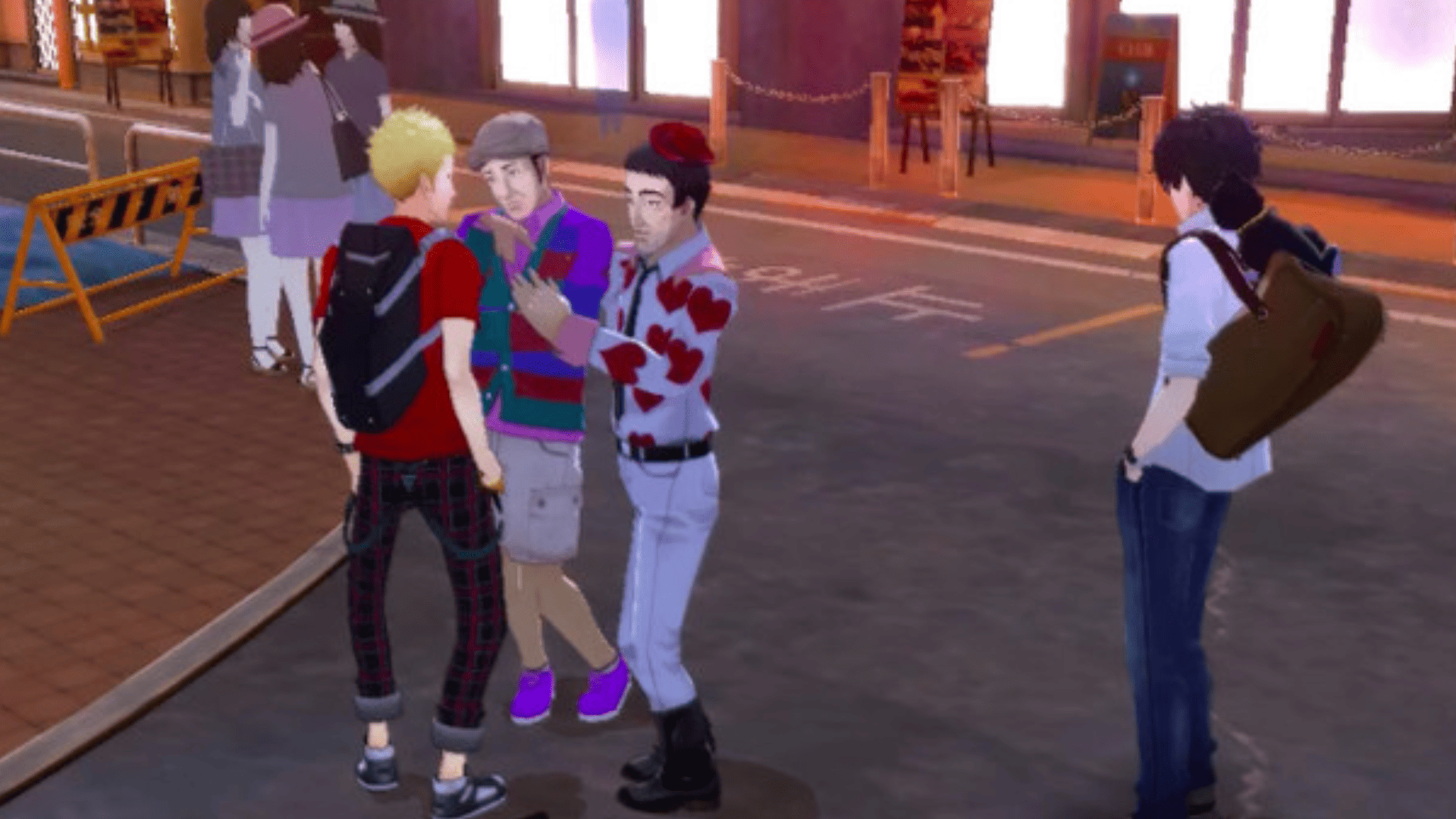
The little representation LGBTQ+ people get in mainstream gaming is usually restricted to a closeted, best-friend sidekick type like Soren from Fire Emblem Radiant Dawn or the camp comic relief, as seen in the infamous beach scene in Persona 5 with Ryuji. Being a gay man, I was always less interested in the typical love interests and more in the secondary male friend who usually completes the trifecta of friendship groups often shown in games, TV, and film. All these stories include a friendship group consisting of three friends, with implied heterosexual romances between two of the three.
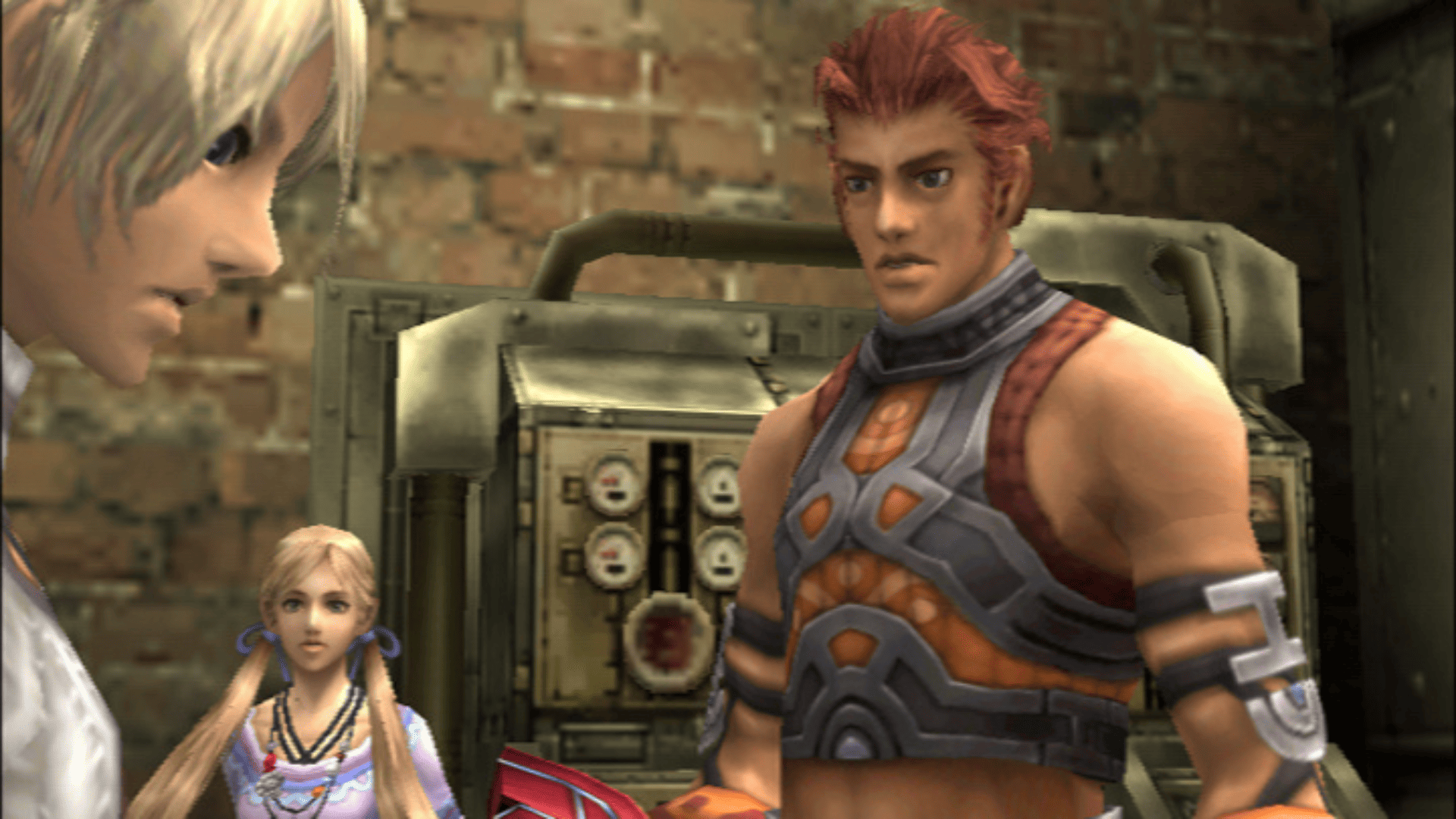
For example, Reyn from Xenoblade Chronicles was the standard caring brute who always worried for Shulk during the course of the game’s story, often putting him above his own needs. Along with Fiora, these are the first characters you play as, and you guessed it, they also complete the standard three-piece friendship group archetype.
When starting a big adventure like Xenoblade Chronicles, learning a whole new battle system, characters, and plot can be a lot to take in. Having a character who undoubtedly looks out for you and helps ease you into the game is comforting. However, is this a way to coddle players while getting into a challenging game, or a subtle way to include LGBTQ+ themes? Can it be both?
Nintendo is known as a family-friendly publisher. In 2010, they may not have wanted to tackle anything that could be seen as too controversial, such as anything LGBTQ+ related. Persona 5, however, wasn’t afraid to tackle themes such as abuse and sexual assault, as well as LGBTQ+ people, even if it wasn’t in the best way. In one scene in the original release of Persona 5, Ryuji is seen being hit on by two gay guys at the beach in a way that paints gay people as perverted, sex-hungry fiends who chase after every straight man in sight. This was changed in Persona 5 Royal, but the damage was already done. This is increasingly ironic, seeing that Ryuji is the next character on the queerbaiting agenda.


There are other ways queerbaiting could be seen happening that are not in a friendship group of three. Throughout Persona 5, Ryuji is your right-hand man. He follows you into worlds where his safety isn’t guaranteed and confides in the main character, saying things like about how he’s done with girls and explaining to the player that he feels free whenever he’s with him. Granted, this is a newer game, and I didn’t play this while growing up. Still, I can’t help but think about younger people growing up and playing this, questioning Ryuji and Joker’s romantic relationship, only to lead to nowhere.
It’s not likely developers Atlus intended for this to happen or for anyone to speculate about Ryuji’s sexuality. Still, the number of instances that would be heavily suggestive if this were a heteronormative relationship are plenty.
Since then, Atlus has learned from their past mistakes, as Persona 5 Scramble lets you express interest in Ryuji and even lets you daydream about marriage to him. What’s more, this interest gets returned. This is full circle for people who noticed the trickles of gay themes coming out of him, and it’s great to see Ryuji has seemingly come out. Congrats Ryuji!


Another strong connection, without implying a romantic relationship, has to be the one shared between Vanille and Fang in Final Fantasy XIII. The characters share a lot of history with each other prior to the start of the game, and their bond is undeniable. What’s more, their mysterious past, which unravels towards the end of the game, reveals just how far they are willing to go in order to be with each other. When you find out that Fang was initially meant to be a male character, it’s evident that there must be some sort of romantic feeling here. What’s more, the pair end up having one of the most romantic and beautiful endings, getting frozen together for eternity and sacrificing themselves for the people of Cocoon.
I have a special attachment to Final Fantasy XIII as I played it during a time in my life when all I wanted was an escape. Not only did this game fulfil that need, but Vanille and Fang’s relationship was one of the first times I’d seen two people of the same-sex have such a strong bond that felt romantic in nature, even if the game didn’t explicitly state that was the case.
I said that Nintendo tends to avoid adult themes, but Fire Emblem is an exception. Though the series deals with subjects like war and includes the permadeath feature, authentic LGBTQ+ representation seems to be too much. Although the series does have a few gay options for romance, many of them are lesbian relationships, which is a step in the right direction, but does bring up questions about the male gaze and fan service.
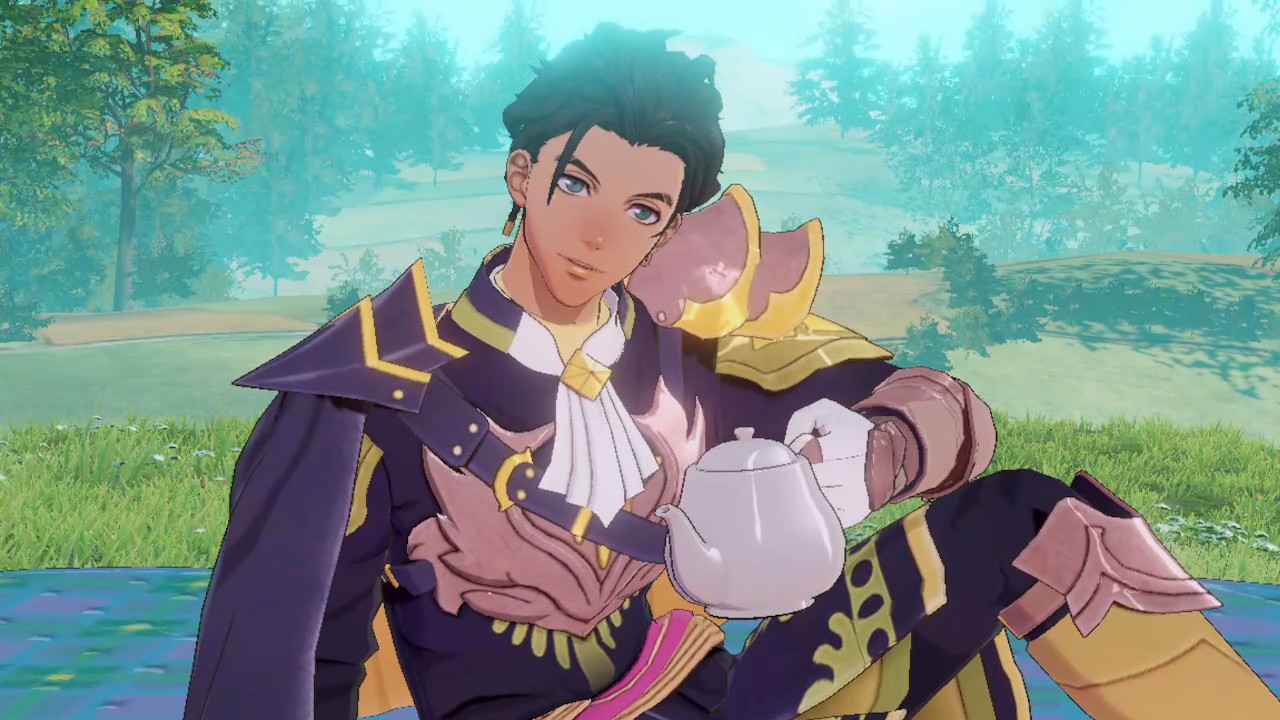
Fire Emblem: Three Houses even went so far as to have teased the option for more gay male relationships during its pre-release. So much so that gaming websites were convinced characters such as Claude were a gay romance option. The character had been seen getting flirty with the player character regardless of gender, saying things such as “I’d let you grasp me any day. My hand, my heart, even my neck.”
Things were looking hopeful for gay gamers, until the game came out. To get into a romantic relationship, an S-Support (where two characters have maxed out their relationship) needs to be established between the two characters. You can play the game with either a male or female protagonist. The female version of Byleth has five female options to reach that sexy S-Support with, whereas male Byleth can only reach S-Support with three guys, and only one of them is stated as romantic. The other two remain completely platonic, with one even making an effort to mention his wife and child.
With Claude being so flirty with me during the game, I was very disappointed realising he was never gay in the first place. Out of a sea of over 32 recruitable characters, to only have one gay option? It made me feel like this game wasn’t meant for people like me. Since the game’s release, DLC has been added with more gay characters available, but for people experiencing the vanilla standard version of the game, this is what it is.
Fire Emblem: Three Houses isn’t the first time we’ve seen characters like Claude. There is a rather sad relationship between Ike and Soren from Fire Emblem: Path of Radiance and Fire Emblem: Radiant Dawn.
Soren is a character who stays very close to Ike throughout the story of the two games and is described as “the boy always at Ike’s side.” His story starts with him being abused by the multiple families he is passed around until he is left to fend for himself. This changes when he bumps into Ike, who saves him.
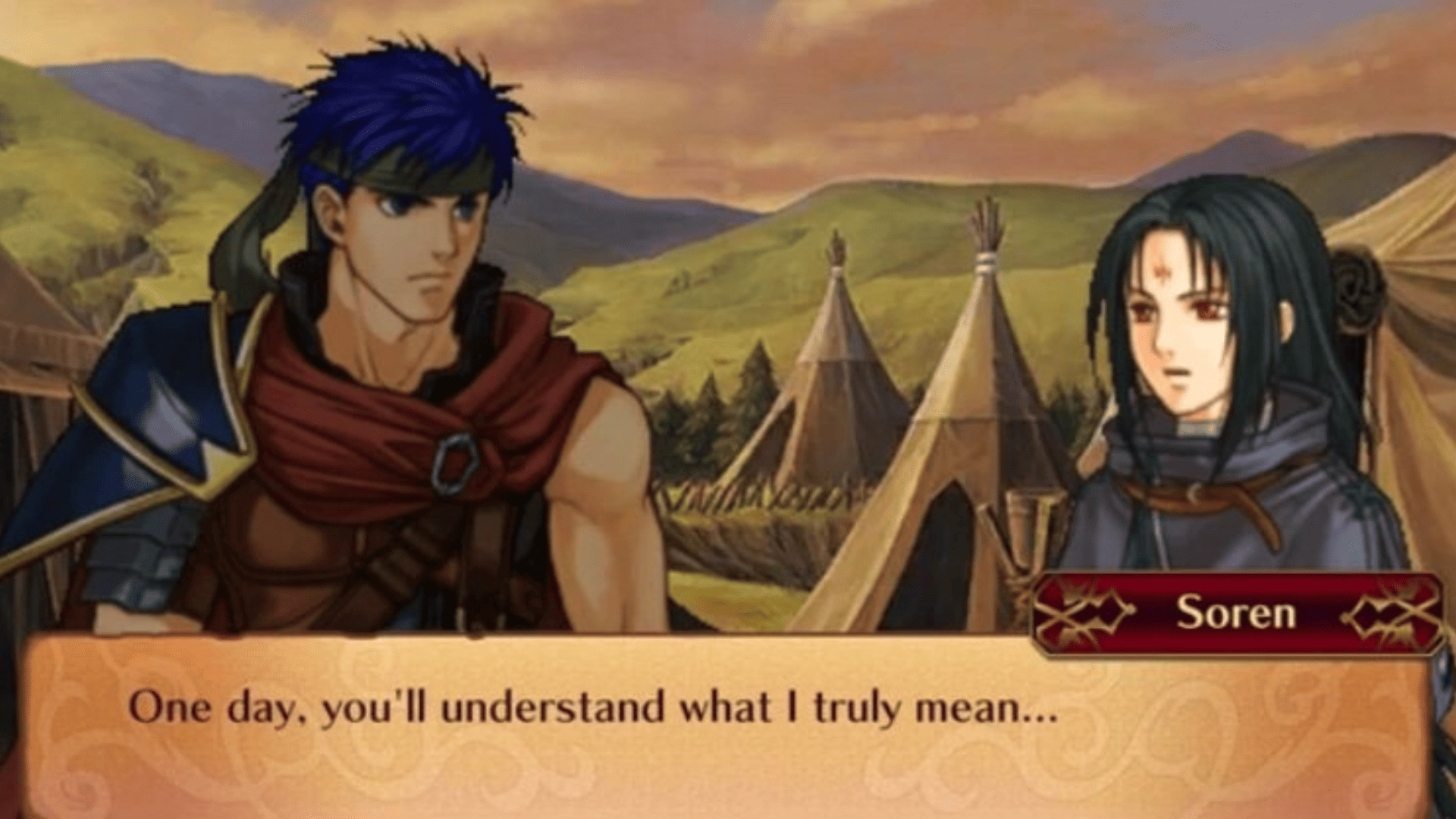
Why is Soren so abused? Because he’s born from a Beorc and a Laguz, which Soren himself describes as being “taboo” and, as such, are often seen as “abominations” that are “condemned to a life of hatred.”
As you can see, the words being used to describe an offspring between a Beorc and a Laguz are comparable to what some people in our world think of LGBTQ+ people. The scene in which Soren says all of this is when he comes out to Ike about what he is, and ends with Ike holding him for a hug while Soren sobs into his chest.
If an A-Support (this game’s version of an S-Support) is achieved between the two men, the game ends with Soren setting off with “the one person he ever trusted.” This doesn’t say anything about Ike’s sexuality per se, but considering Ike doesn’t show romantic interest in any other character outside of his friendship with Soren, it’s hard not to see why their relationship could easily cross into something more. But unfortunately, it never does.
For an LGBTQ+ person all these near romances can be quite indicative of the real world. Unrequited love is a common theme for young LGBTQ+ people growing up around the majority of straight people. In games, exploring sexuality is usually secondary to saving the world, fighting wars, and generally being a crime-fighting badass – but that doesn’t make it impossible.
Overall though? I feel hopeful for the future, thanks to games like Fire Emblem: Engage, which includes a cast that is completely romanceable by anyone, regardless of sex, as well as Story of Seasons and Animal Crossing, where you can embrace your true self without the restriction of gender.
About The Author

That’s exactly how I felt growing up as a gaymer. Loved reading the article.