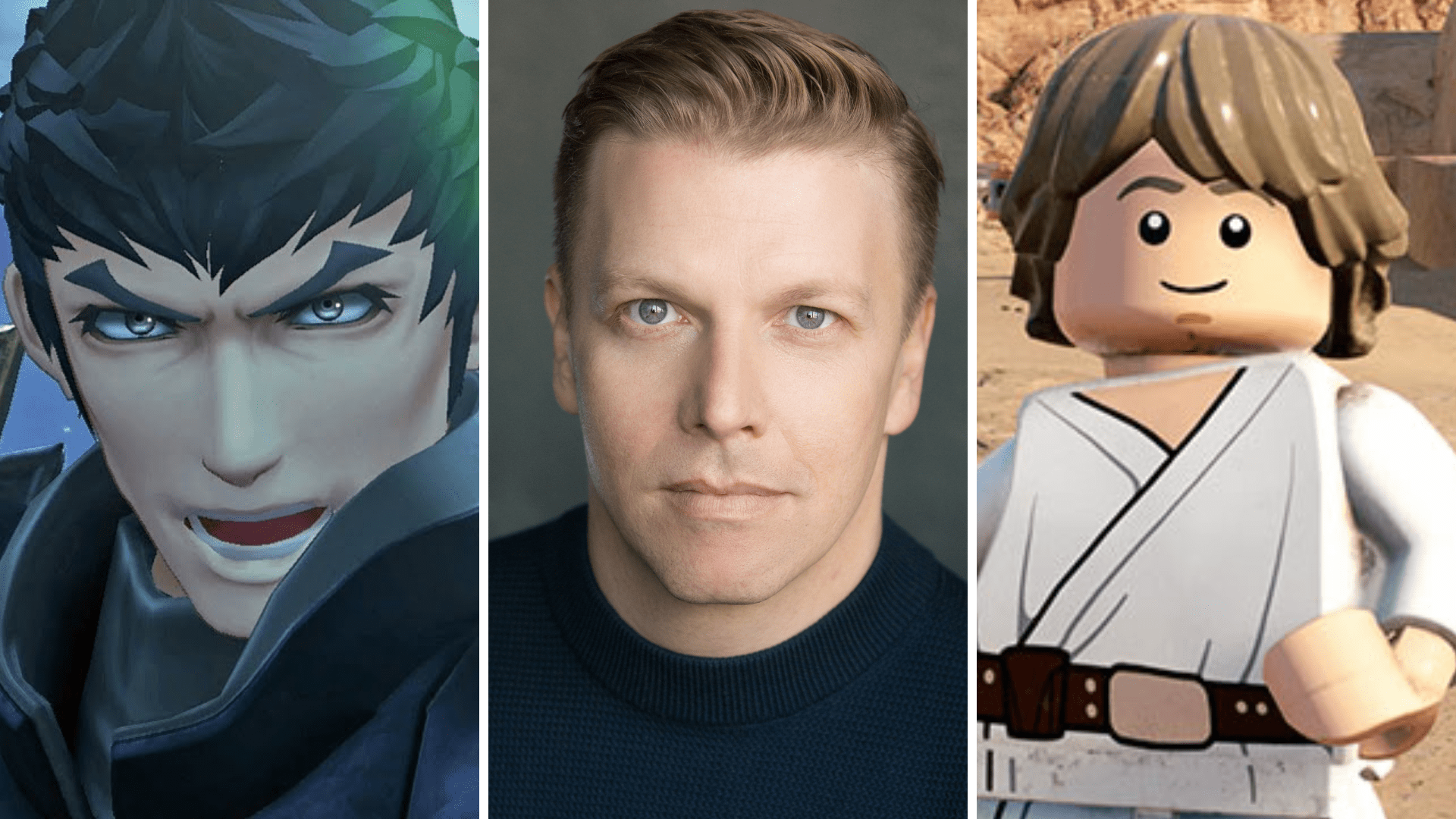
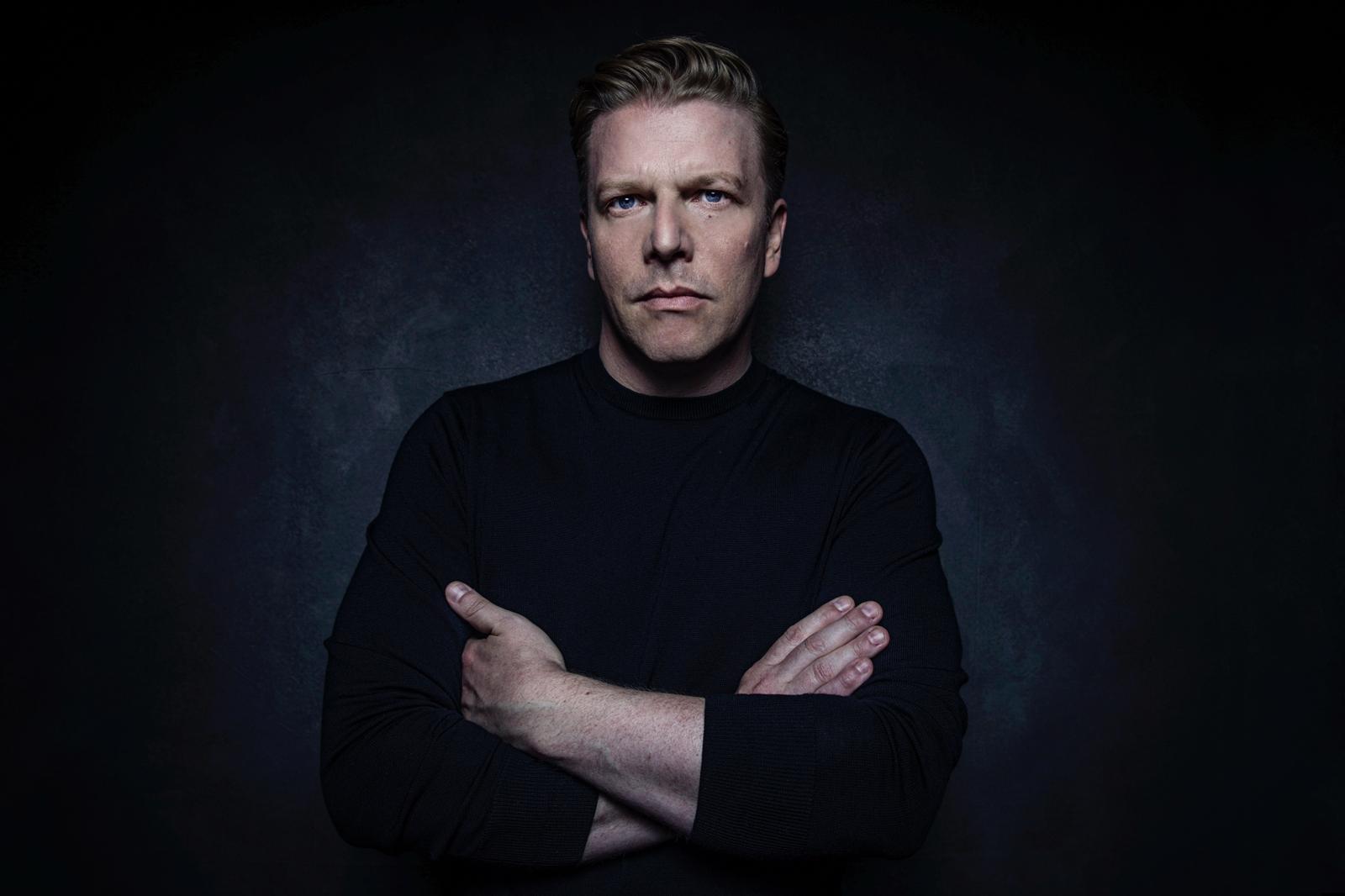
David Menkin on becoming an actor, coming out and voicing Luke Skywalker
Acting takes more than just saying the right lines the right way, it takes hard work, confidence and determination. Something which David Menkin, actor and voiceover artist, is no exception to.
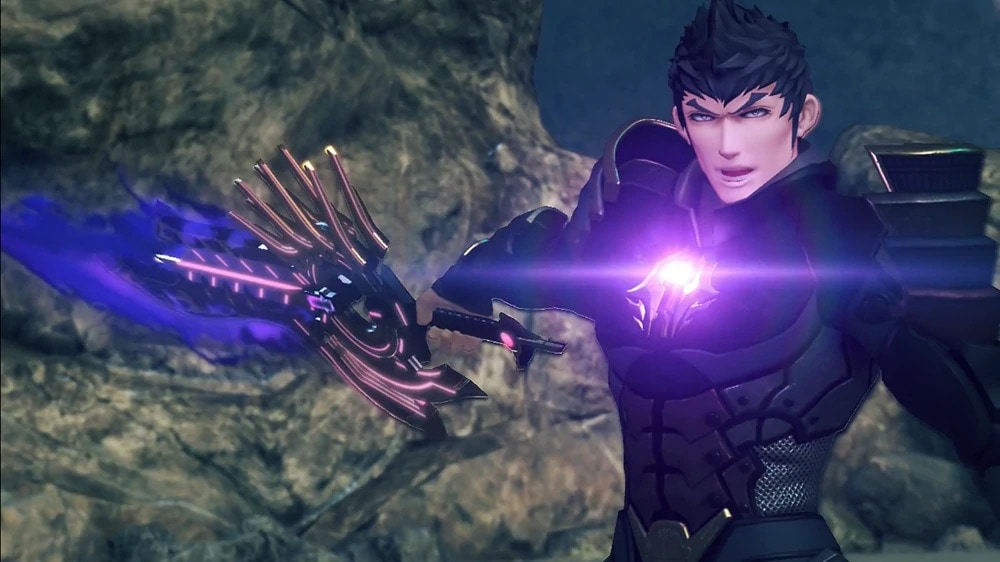
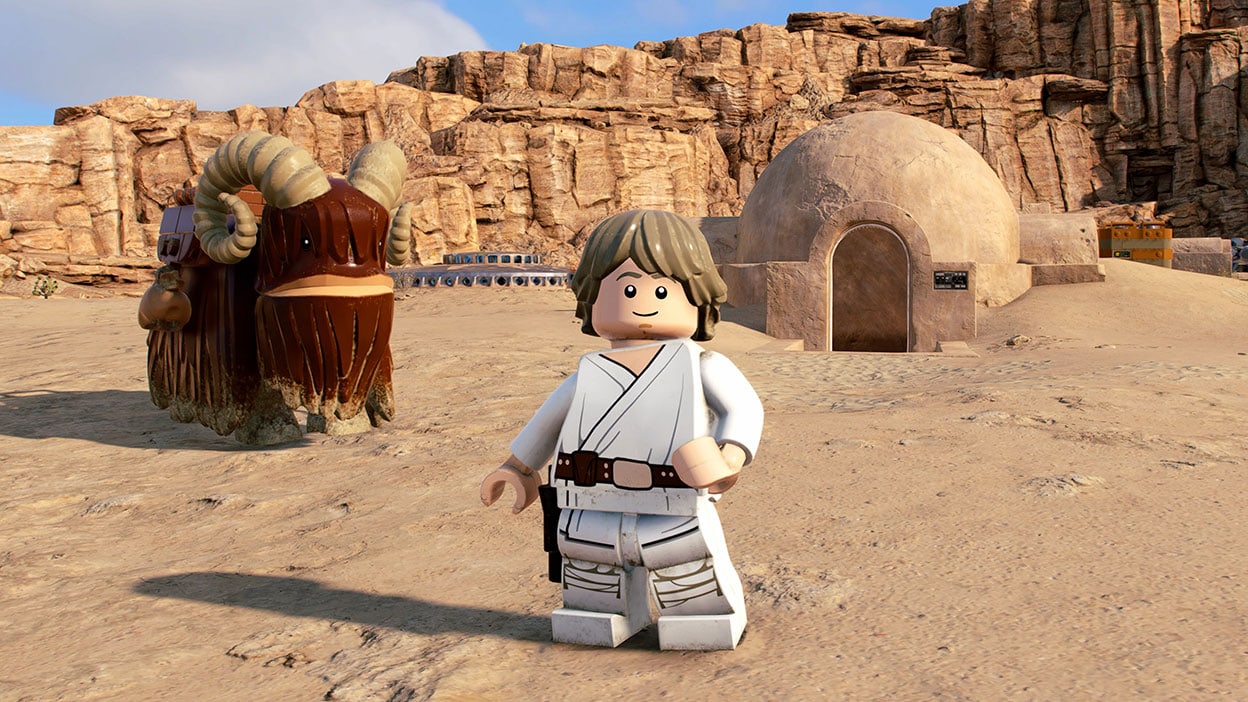
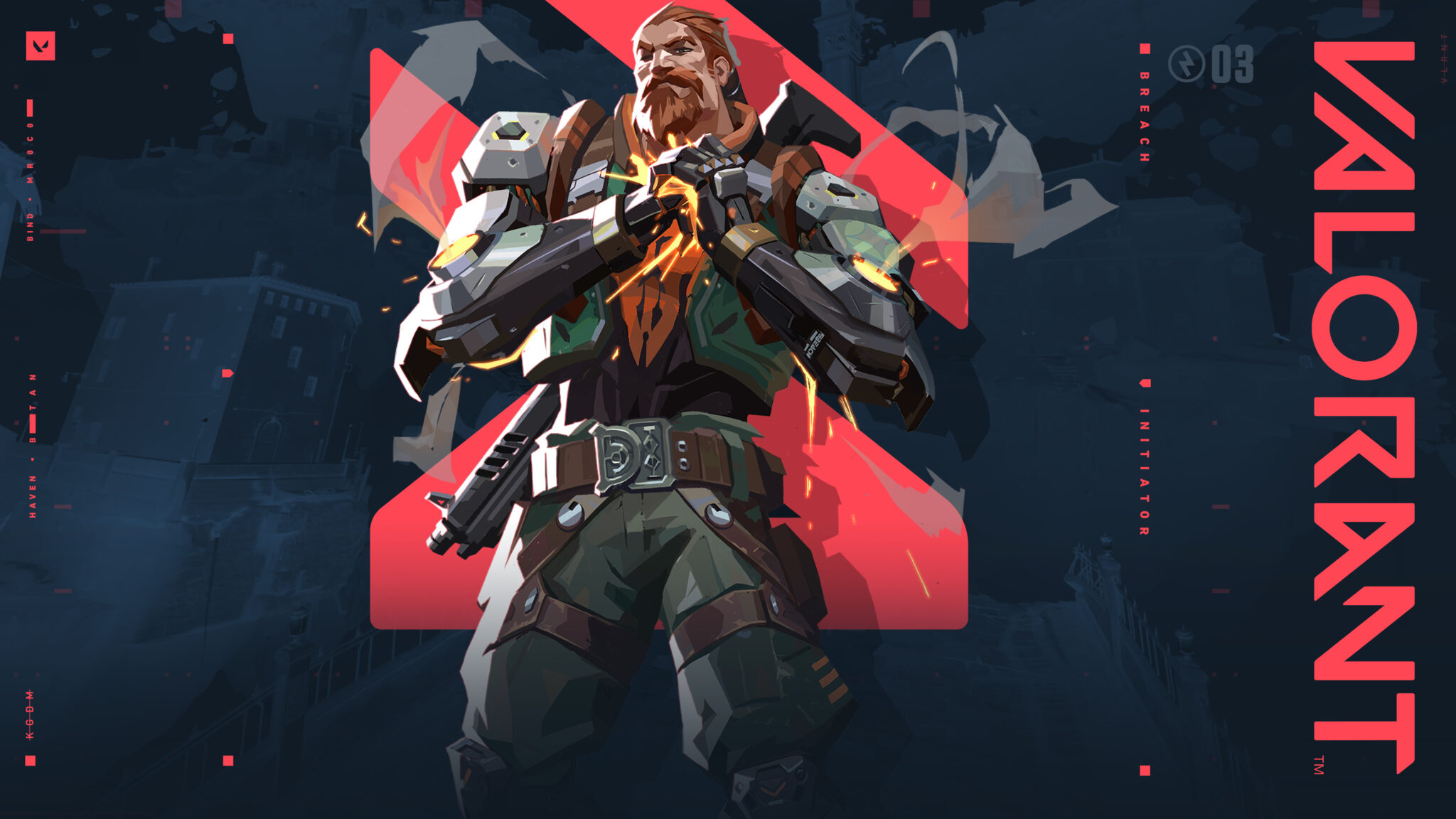
Menkin has been involved in both film, TV, and of course, video games for over 20 years. He has had lead roles as Luke Skywalker in Lego Star Wars: The Skywalker Saga, Malos in Xenoblade Chronicles 2, Breach in VALORANT and Dag in Assassin’s Creed: Valhalla.
The actor has also starred on-screen alongside Tom Hanks in A Hologram for the King, Stephen Frears’ Oscar-nominated Florence Foster Jenkins with Meryl Streep and Hugh Grant, as well as the Oscar-winner Zero Dark Thirty.
We sat down with David to speak more about his career, gaming communities and officially coming out.
Robin: Hi David, how are you? Born in Norway, moved to Africa, then London, and went to university in New York City, how did all this cultural exposure affect your upbringing?
David: Like a lot of people with similar experiences, I see myself as a bit of an outsider who can fit into a variety of situations. Unlike children who grew up in one place, I went to international schools and formed close friendships with other kids, fully aware that we would most likely leave each other’s lives within a few years. Having to start over again and again meant that I also became very good at enjoying my own company. I was told there’s a term for people like me: we’re Third Culture Kids – citizens of everywhere and nowhere.
I don’t travel as much these days – mostly for work or to see friends in different countries – but there is something inside me that’s always ready to move on to the next experience.

At what age did you want to become an actor and what inspired you?
I was a sensitive kid who loved singing, and at the age of 11 I was encouraged to audition for a high school production of ‘The King and I’. I was one of the youngest members of the cast but was treated just like everyone else; I found community, camaraderie, respect, self-discipline and a way to channel all my big feelings in that rehearsal room. I belonged. To say I was bitten by the bug is an understatement.
Your career has been a mix of voice acting and physical acting from the get-go, what was it about voice acting that attracted you?
I didn’t mean to fall in love with it! Voice work was meant to be a way to earn some money while waiting for the acting roles.
At first I felt restricted by voice acting – no costumes or set, having to stand still no matter how ‘physical’ the moment, no audience, rarely even another actor to interact with… But, as someone who doesn’t necessarily like to conform, I started trying to find freedom within the strict framework of a studio – physicalising without making noise, painting the colours of the scene inside my head, becoming something that has nothing to do with how I look… The possibilities became greater than the hindrances.
You’ve done a lot of video game voice acting, what was the attraction to video game voice acting and what’s different about it to other types of voice acting?
My first lead role was Preston Marlowe in Battlefield: Bad Company 1 & 2. I got to work in an ensemble setting with some very funny and talented colleagues as well as amazing writers and directors. We all pushed for the final product to feel like an interactive (and hilarious) action movie and I think we succeeded.
But to answer your question: in most types of animation, your character is, for the most part, being true to themselves and others – the bad guy is clearly the antagonist throughout the show and they will often revel in the fact that they’re bad, whereas the good guy may make mistakes but remains the good guy throughout. In games, you don’t always know at first glance whether the people you meet are good or bad; the protagonist may even do terrible things while pursuing their goal.

I’m going to generalise here, and hope that manga fans won’t come for me: characters in video games are typically more complex than those in animation. But as adult animation is becoming more popular those lines are getting blurred, of course, and I’m lucky to be doing more work in that field as well – watch this space!
Are you a big fan of playing video games? If so, what type is your favourite?
As a child, my mom didn’t want me “wasting my time” playing video games and that mentality stuck with me into adulthood for some strange reason. I started watching walk-throughs of games after finding out it was a thing – mostly to see if the work I’d done was OK, but it also helped me understand the mechanics and structure of games, as well as how branches are built in dialogue.
A few years ago I became a voting member of BAFTA and realised how wrong it was for me to vote for games without being an actual gamer…so I am now the owner of a beautiful Playstation 5! My first ever game on that console was Ghosts of Tsushima and I was hooked! My last purchases, thanks to friends’ recommendations, were The Last of Us Part 1 & 2 and Journey. I am gearing up to buy myself a Steam Deck in the near future – can’t wait!
But let’s be clear: I’m a total noob.
You’ve covered a really wide range of genres, what have been some of your favourite moments as an actor?
Oh, man…so many! My first job out of drama school was as one of Emma Thompson’s students in the film ‘Wit’, which was as mindblowing as you can imagine. Working with Tom Hanks for months on ‘A Hologram for the King’ changed my life in many ways.
In the world of games, Battlefield: Bad Company opened my eyes to what games can be, Xenoblade Chronicles 2 showed me how amazing the gaming fandom can be, and voicing Luke Skywalker in Lego Star Wars: The Skywalker Saga blew my mind every time I stepped in front of the mic.
The list goes on and on. I love my job!
You openly identify as gay have you ever voiced an LGBTQ character?
It’s strange to say this, but I’ve never officially come out as queer. If you follow me on social media it’s pretty damn easy to see, but I’ve never had the opportunity to answer that specific question in a public manner before. So, yeah…
Several of the characters I’ve voiced through the years have let me know that they were queer, without there being anything necessarily implicit in the writing. An example is Malos: nowhere does it say that he is actually in love with Jin…but come on!?
Other characters definitely have their feet planted somewhere in the rainbow but I can’t speak to that because, thanks to the internet, anything I do say will immediately become lore and then my employers will be very upset with me.
Do you think it is important for LGBTQ characters to be voiced by LGBTQ actors?
The days of straight actors playing gay or trans roles for clout or awards are mostly over, thank god. But as a gay man I don’t want to play only gay roles – I want to be stretched and challenged, as long as I’m not taking an opportunity away from someone more qualified, be it due to sexuality, race, gender or age. So, should an LGBTQ character be played by an LGBTQ actor? Hell yes!
I also have a personal rule: if the character I’m asked to play has been suppressed by someone of my cultural heritage, I shouldn’t be playing that part. But at the end of the day, I have faith in directors, casting directors and producers to find the right actor for the job.
Why is LGBTQ representation important in video games, and the world in general?
Smart people have answered this far more succinctly than I ever could, but let me speak from personal experience: I have been asked to re-voice roles because the creatives felt a gay actor’s performance wasn’t masculine enough. I’ve also seen my work for certain games companies drop off when they found out about my sexuality.
Thankfully, things are changing: ‘dinosaurs’ are getting educated, ageing out, or even realising that having representation in their games has no effect on their sales. We also have LGBTQ people feeling comfortable enough to visibly enter every sphere of the industry, so change can come from the inside. But we’re not there yet.
Minorities need access, visibility and acceptance in the gaming world. Just like in real life.
What can the industry do to promote better representation across the LGBTQ spectrum?
The LGBTQ characters I grew up with were often there to be punished, pitied, murdered or mocked. We’re slowly moving away from those tropes but they still pop up, so there’s still work to do. It’s clear that people find inspiration and hope by playing games with positive LGBTQ representation. And if you look at social media or message boards, it’s important to show cishet players that a character’s sexuality or gender identity are just one aspect of who they are, not necessarily their defining characteristic.
I also believe in personal responsibility. At this point in my career, I’m lucky that I can speak up and gently encourage change in the workplace. I’m also a committed member of my union, trying to make the future better for people in my industry.
Finally, I do feel that the industry is finally realising that there is a HUGE queer gaming community out there – from creators to players. We spend and generate a lot of money, so if a company doesn’t want to recognise that, it’s their loss.
What’s up next in your world?
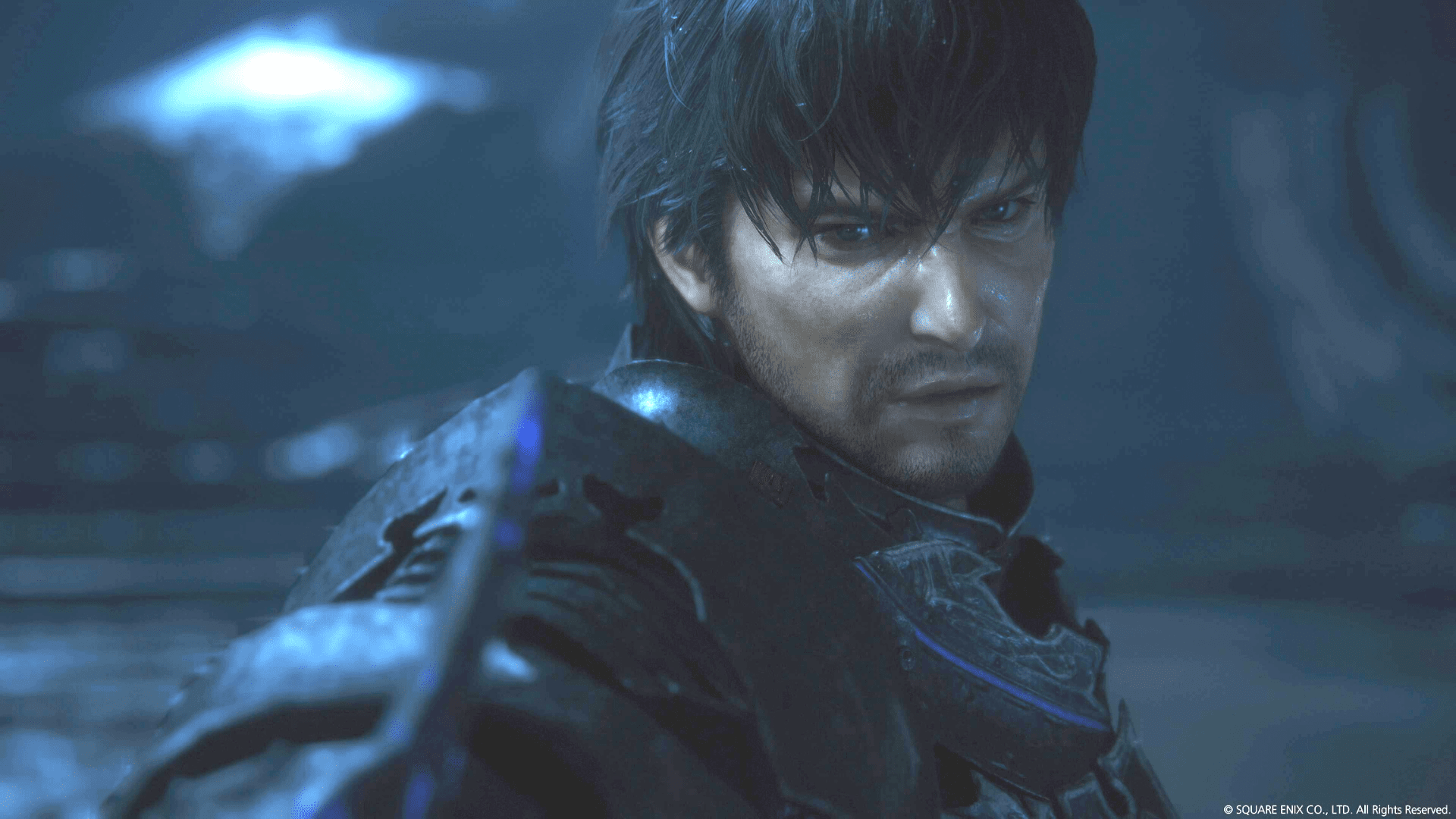
I’m looking forward to the release of Final Fantasy XVI! This job has been many years in the making, and I can’t wait for the fans of the series to see what the amazing minds at Square Enix have created. I’ve also been lucky enough to work with some incredible indie developers like Hidden Leaf Games and have a few releases coming pretty soon. There’s also a tv-series for a major streamer in the pipeline, which I think your readers will love. The NDA lasers are now firmly pointed at my head though, so I won’t say any more than that.
How can our readers keep up with you (social links)?
I’m @davidmenkin on Twitter and Instagram and you can also find me on Cameo.
Find out more about David Menkin and his work over at his official IMDB profile.
About The Author