
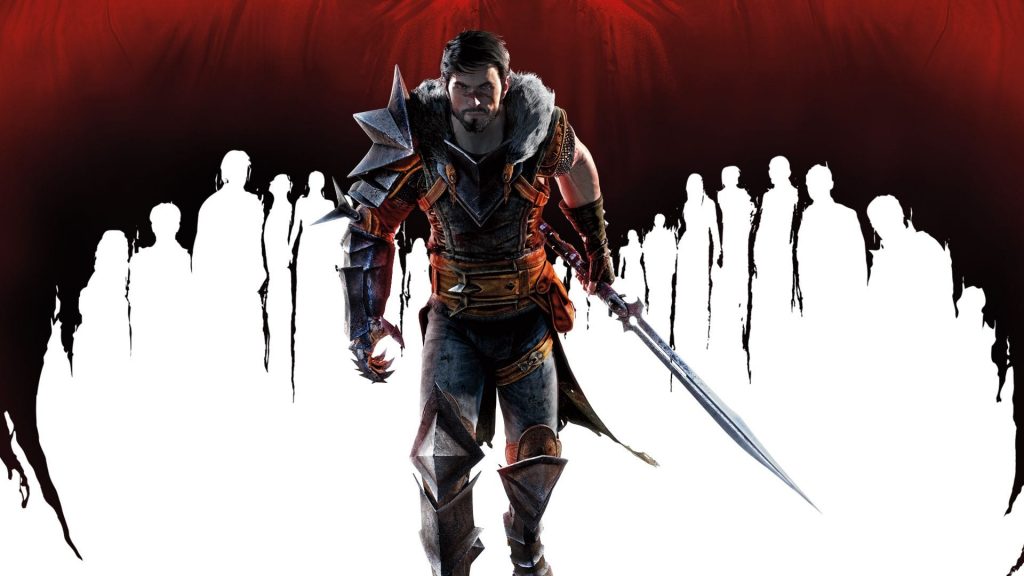
Gayming Lore: Dragon Age 2 and the history of “everybody is bisexual” game design
BioWare’s action-adventure RPG Dragon Age II, released in 2011, came at a time where technological development was pushing video games to new heights. Following on from Dragon Age: Origins, the sequel expanded the romantic scope of its predecessor with one simple change: make everybody bisexual. The problem became obvious though that if everybody is bisexual, then nobody really is.
From the early days of video game development, queer identities and themes have been a staple of the medium, examples including the trans femme murder victim in 1985’s Le Crime du Parking and the many genders of Birdo in Nintendo’s 1988 Super Mario Bros II.
The release of Electronic Art’s life-simulator The Sims in 2000 though saw a distinct shift in representations of queerness in games, a sneaky lesbian kiss in their promotional material compelling EA to include same-sex romance options in the game’s final release. This now meant that players could instigate queer romances in their playthroughs, rather than relying on developers to explicitly include them.
The release of The Sims also signalled a more general shift in the video game industry, increased processing power and greater access to commercial hardware leading both to developments in the medium and increasing audience demands. Games were now more fully rendered, and narrative trees and dialogue options were becoming more complex. Developers could give players more options to help them feel immersed in their games, extending to the variety of in-game romanceable options they could be provided.
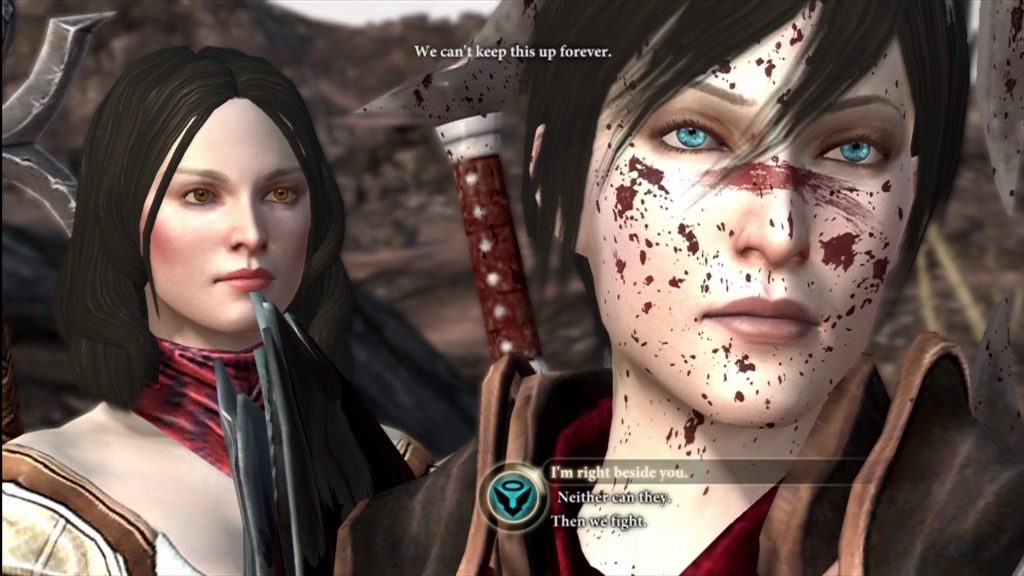
It is in this environment that Dragon Age II emerged. Following on from Dragon Age: Origins, the sequel iterated on the romanceable options provided in the first game, looking to increase player choice by doing so. While Origins permitted same-sex pairing with one of two specific characters that was dependent on your own character’s gender, Dragon Age II made every available character romanceable regardless. This “everybody is bisexual” approach became known as ‘playersexuality’ and put forward that player engagement could be improved by removing the prospect that NPCs could have their own established sexualities.
Playersexuality was used as a way of giving players greater levels of control in the game, but it turns out that this approach can be a bit of a blunt object that lacks precision. Dragon Age II’s playersexual approach gave players greater options by removing the capacity for supporting characters to express their own desires and preferences, beholden instead to the romantic whims of the player-protagonist. Romance was now explicitly about responding correctly to prompts. Players were given more options, but characters seemed to lose a bit of their richness in the process.



While Dragon Age II and its use of playersexuality has been criticised in the ensuing years, the game has still left a legacy. Arguably the most prominent example of this is Baldur’s Gate 3. Developed by Larian Studios and released in 2023, BG3 gave us a more enriched form of playersexuality where impactful worldbuilding and character dialogue made it believable that the lands of Faerûn truly are full of bisexuals. It demonstrated that playersexuality, like any other tool, can really work in certain instances when it is utilised effectively as part of a game’s overall design and implementation.
Dragon Age II’s use of playersexuality prompted a new presentation of romance in RPGs, beginning with the premise that player engagement could be improved if every romantic interest was available irrespective of character gender choices. Although it has received apt criticism over time, it has still influenced how LGBTQ+-inclusive game design is approached today. Most importantly though, it showed that meaning comes not only from the choices that players are provided, but also those that they aren’t.
About The Author