Revisiting Ash from Streets of Rage 2
When Ash was introduced in Streets of Rage 2 more than three decades ago, straight and queer gamers alike were… perplexed, shall we say, about this flamboyant character.
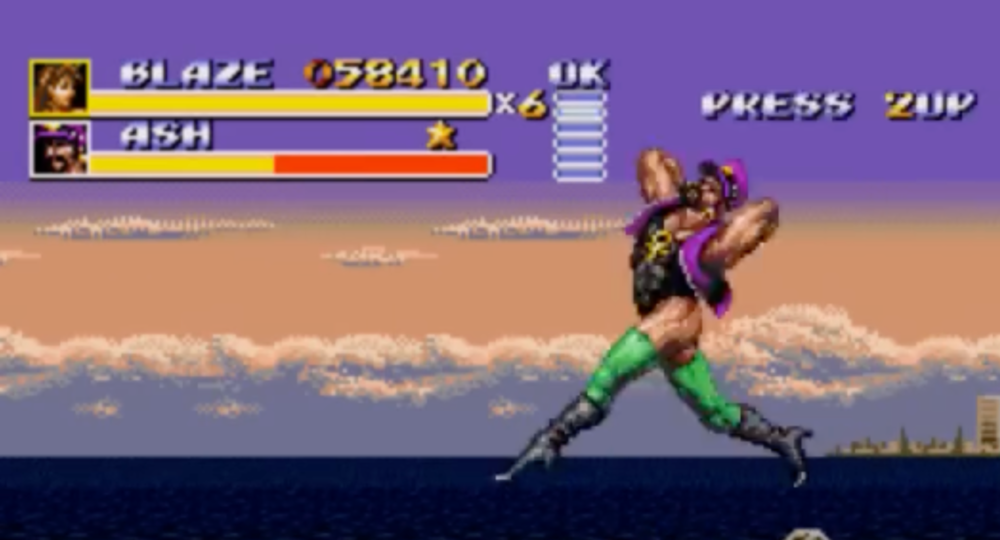
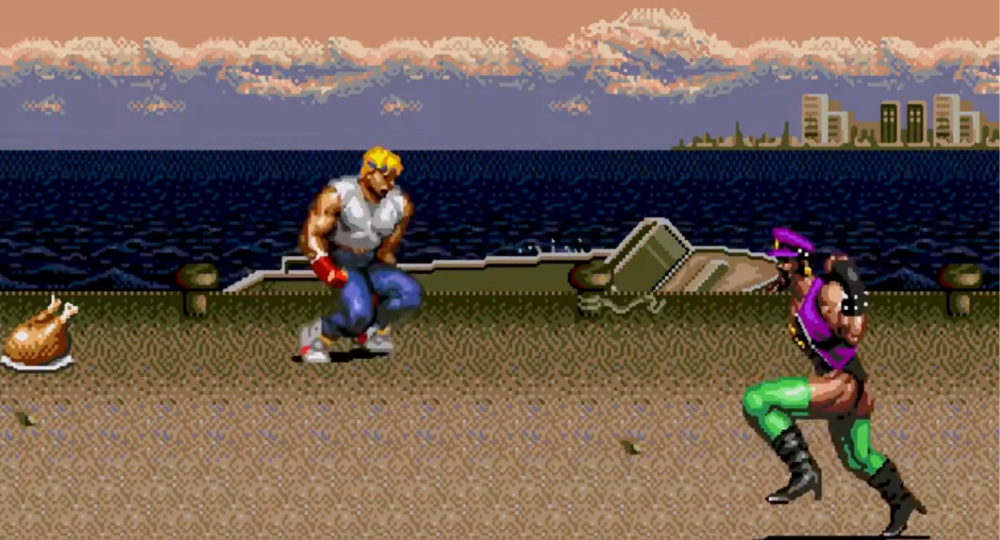
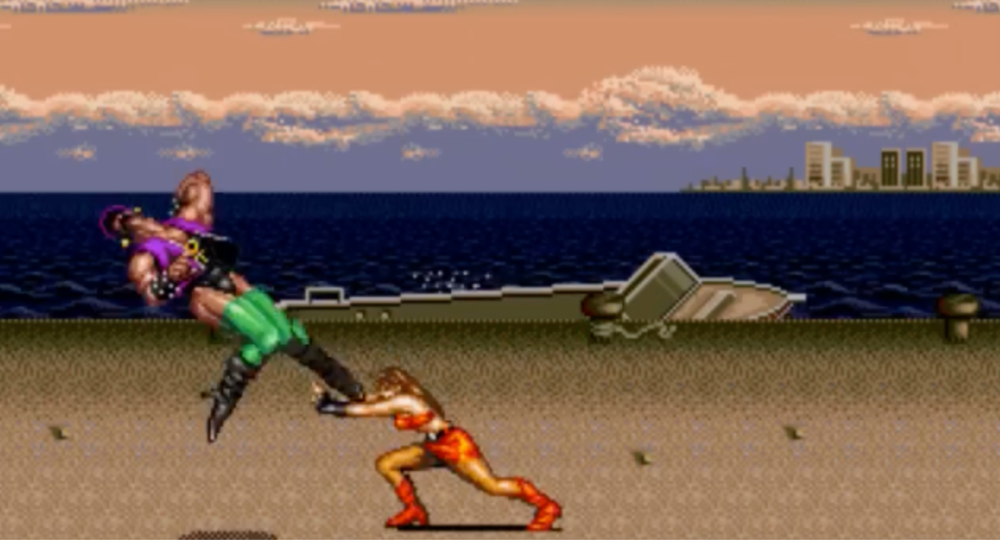
And that wasn’t just because of the man’s outfit; this stage one miniboss wears a pixelated leather number consisting of backless chaps, a purple vest, and neon green stockings that perfectly framed his extremely visible bulge. He was a far cry from your usual Streets of Rage character, with this fighting game about taking down a city’s corrupt underworld often focusing on gritty vigilantes with toned-down styles (and, occasionally, a kangaroo). But Ash was a clear emulation of the leather-daddy archetype, a figure epitomized by the hit music group The Village People that was featured in multiple different projects throughout the 90s.
But even though people knew about this image of a sexual queer man in love with leather, players from across the sexual spectrum were befuddled by Ash’s inclusion in Streets of Rage 2. The scantily-clad miniboss fights our player while giggling and literally prancing around the scene, acting as the flamboyant stereotype most gay characters were pigeonholed into during this time. It was a surprising image from a game that had never delved into queer themes previously, with Ash actually being removed from Western versions of the game due to outcry from conservative censors.
And the negative response didn’t just end there. Even the game’s queer fanbase were torn over Ash, with many critiquing how he fell into harmful stereotypes at that time, and that his status as a villain only served to dehumanize the many real members of both the leather and larger LGBTQ+ community. It’s what led to him being largely forgotten by Streets of Rage’s substantial audience, with not even queer fans remembering the franchise’s only canonically LGBTQ+ character.
The original Streets of Rage celebrates its 35th anniversary this year, and as we look back on this historic series, it begs the question: does Ash serve as anything other than a harmful stereotype?
Because audiences also must remember that so many pieces of groundbreaking LGBTQ+ media are considered extremely problematic today. TV shows like The L Word and Queer as Folk are credited as trailblazing stories that made so much of current queer television possible…but are riddled with blatantly discriminatory sentiments and harmful storylines. And in gaming, projects like the first LGBTQ+ computer game Caper in the Castro are considered essential in bringing queer storytelling into this digital space — and it also contains a main character whose name is literally a slur for queer women.


This isn’t to rationalize the issues of early LGBTQ+ projects, as even time can’t excuse many of the horrendous mistakes some of these make. But while they may be varied in their issues, one thing unites them all: they were essential. They brought the concept of LGBTQ+ narratives into their respective mediums and made it easier for other inclusive projects to be made afterward.
And when looking at Ash from Streets of Rage 2 through this mindset — well, we still see a deeply flawed portrayal of a gay man, yes. But we also see a man who was not only queer, but who took pride in his femininity and sexuality. His standing as one of the game’s minibosses makes it clear that he should be considered a powerful threat to the player. And this power wasn’t lessened by his way of dress or flamboyancy. In fact, based on Ash’s lines, it’s clear that this presentation is where the man derives his power from.
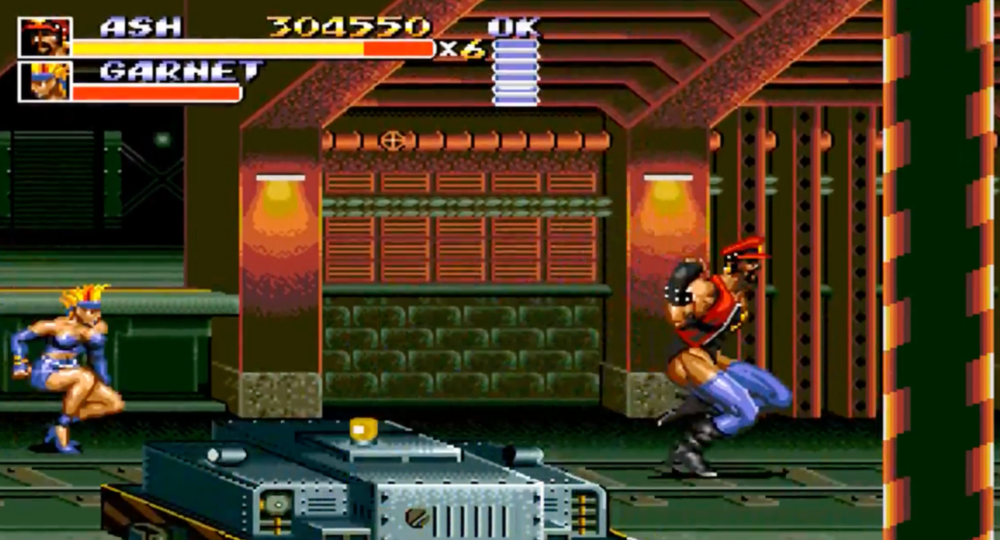
Not only was it monumental to have a male character who found strength in his femininity, but it also introduced the idea that men could be gay and proud to every single player who encountered him. It’s a concept that is luckily featured in many games today but was unheard of in mainstream gaming during the early 90s. And Ash, while admittedly a flawed delivery system, helped bring that message to the millions of people who played Streets of Rage 2.

This doesn’t excuse the many valid criticisms people have had of him over the years, as Ash absolutely could have been created in a more nuanced, culturally conscious manner. But this also doesn’t justify Ash being relegated to a niche example of video game trivia that censors want you to forget.
Ash was a gay video game character when barely any of those existed. And as we commemorate Streets of Rage’s 35th anniversary, he deserves to be appreciated for showing us an image of pride that so many people needed to see.
About The Author